Uber vs Lyft vs DoorDash: Which Pays More in 2026?
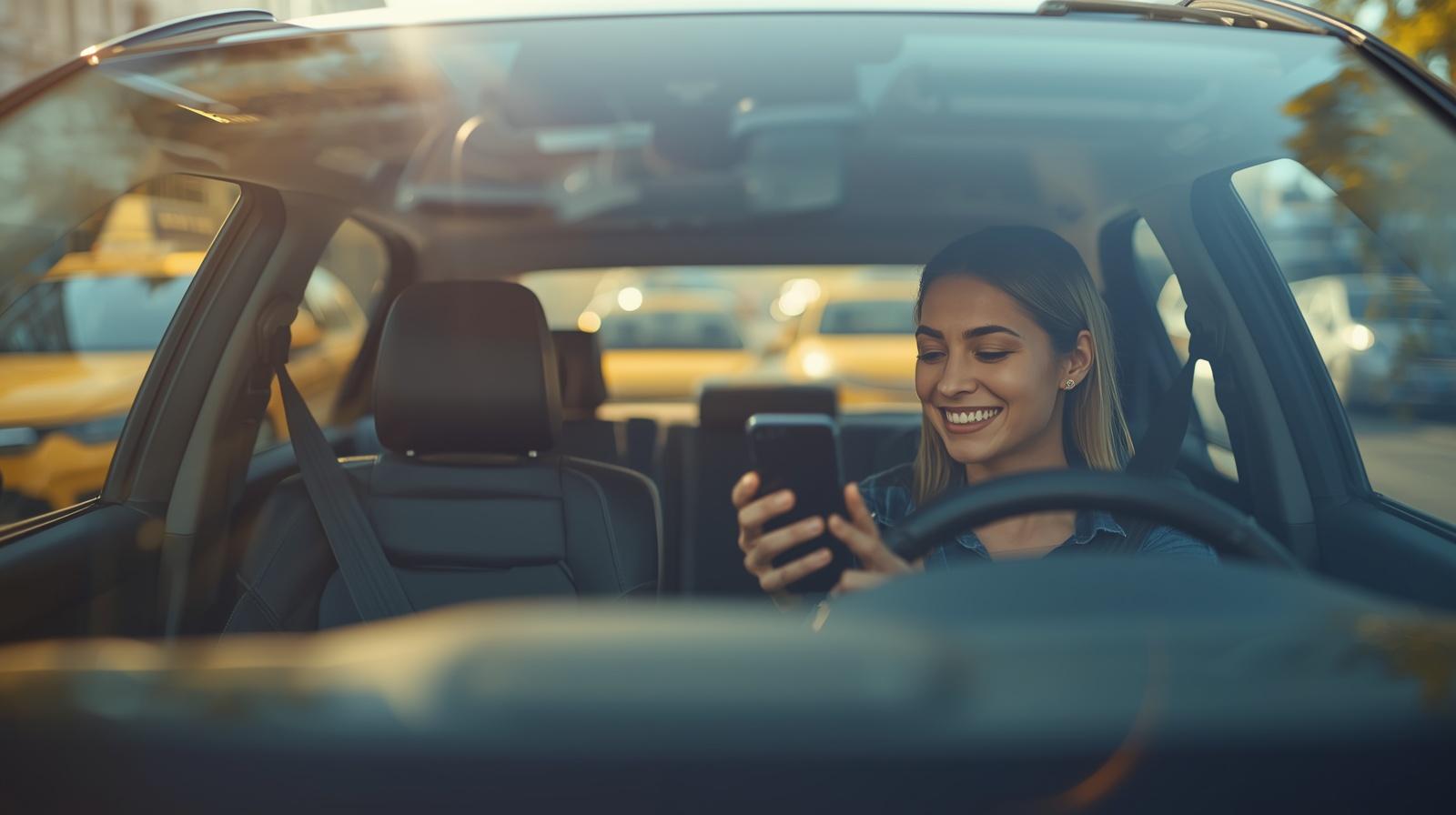
Every new driver I've ever talked to asks me the same question within the first month: "Should I just stick with Uber, or should I run Lyft and DoorDash too?"
I've spent years bouncing between all three, and I'm going to give you the honest, unfiltered answer — not the cherry-picked "I made $1,500 in one weekend" YouTube highlight reel. Real numbers, real markets, real pros and cons for 2026.
Spoiler: there is no single winner. The right platform depends on your city, your car, your schedule, and how much wear and tear you're willing to put on your vehicle. But by the end of this post you'll know exactly which one (or which combination) makes the most sense for you.
If you just want the bottom line based on average 2026 driver data:
Highest gross hourly pay: Lyft and Uber are roughly tied, both averaging around $19–22/hour across most US markets. Lyft has actually edged ahead in some recent driver surveys.
Best for flexibility and slow hours: DoorDash, but expect lower pay around $11–15/hour.
Best for tips: DoorDash by a long shot about 68% of food deliveries get tipped versus only ~32% of rideshare trips.
Best for surge/peak earnings: Uber, especially in major metros like NYC, LA, and Chicago, where surge can push you to $30–50/hour during the right windows.
Now let me break down each platform like a driver, not a press release.
Uber: The 800-Pound Gorilla
Uber is still the biggest, the most consistent, and the one I'd recommend any new driver start with simply because the order volume is there.
The numbers (2026):
Median driver gross pay: ~$19–20/hour
Premium tiers (Uber Comfort, Uber Black): $30–50/hour in big markets
After expenses (gas, maintenance, depreciation, insurance): expect to net around $13–17/hour as a typical UberX driver
What Uber does well:
Steady ride volume you almost never sit waiting for 30 minutes
Surge pricing actually pays in dense cities (purple zones can 1.5x–3x your fare)
Quest bonuses and Boost promotions if you can hit them
The Earnings Hub is genuinely useful for tracking
What Uber does poorly:
The fee cut. Uber takes a big slice between booking fees, service fees, and "marketplace adjustments" most of us still don't fully understand.
Tips are inconsistent only about a third of riders tip
Pickup miles and dead miles aren't paid in most markets
Customer support is brutal when something goes wrong (which it will)
Best for: Full-time drivers in major metros who want reliable volume.
Lyft: The Underdog That Quietly Caught Up
For years Lyft was "the friendlier alternative." In 2026, the numbers tell a different story Lyft drivers are reporting median earnings right around $20–22/hour gross, which is actually slightly above Uber in some markets.
The numbers (2026):
Median total gross pay: ~$20–22/hour
Prime Time surge can stack with bonuses
After expenses: similar net to Uber, around $14–17/hour
What Lyft does well:
Often friendlier riders (anecdotally the rider base does feel different)
Bonus structures are sometimes more achievable than Uber Quests
In some markets, Lyft's Express Pay is faster and cleaner
Lower platform fees on certain trips compared to Uber
What Lyft does poorly:
Lower ride volume in most cities, especially outside top-10 metros
Fewer premium tier options than Uber Black/SUV/Comfort lineup
Surge is less aggressive than Uber's
In smaller cities, you can sit for an hour without a ping
DoorDash: A Different Game Entirely
Here's where most comparison posts get it wrong: comparing DoorDash to Uber/Lyft is comparing apples to oranges. You're not driving people you're driving food. The economics, vehicle wear, and customer interactions are completely different.
The numbers (2026):
Median Dasher gross pay: ~$11–15/hour
Median tip per delivery: around $3.56
After expenses: net pay typically $7–10/hour for sedan drivers
Yes that net number is rough. But before you write it off, hear me out.
What DoorDash does well:
Tips are the difference maker about 68% of customers tip
No passengers in your car (zero risk of vomit, fights, or that one drunk guy at 2am)
Way less wear and tear on your interior
You can run it in much smaller markets where Uber/Lyft are dead
Stacked orders and Top Dasher status add real income
Easier vehicle requirements (no rideshare inspection in most cities)
Works great on a bike or scooter in dense urban areas
What DoorDash does poorly:
The base pay is genuinely low without tips
"Decline rate" pressure forces you to take bad orders
Slow restaurants kill your hourly rate
Cold-food complaints and missing item disputes hit your account
Markets are saturated too many Dashers chasing too few orders during slow hours
Best for: Drivers in mid sized cities, those running it as a side hustle around a day job, or anyone who hates dealing with passengers.
Head-to-Head: A Real Driver's Comparison Table
Based on national driver data and my own logbooks across all three:
FactorUberLyftDoorDashMedian gross/hour$19–20$20–22$11–15Tip frequency~32%~32%~68%Vehicle wearHighHighMediumBest peak timesFri/Sat night, airportsWeekday mornings, weekendsLunch + dinner rushSurge multiplier1.5x–5x1.2x–3x (Prime Time)$1–8 "Peak Pay"Setup difficultyMedium (inspection, background)MediumEasyInsurance requirementsStrictStrictStandard auto OKBest market typeBig citiesBig citiesMid-size + suburbs
The Real Strategy: Run Multiple Apps
Here's what every six-figure-earning driver I've talked to does they don't pick one. They run two or three apps at the same time and accept whichever ping makes the most economic sense.
A typical multi-app weekday for me looks like this:
6–9am: Uber + Lyft, focused on airport runs and morning commuters
11am–2pm: DoorDash for the lunch rush
4–7pm: DoorDash dinner rush + Uber for evening commuters
8pm–close: Uber + Lyft for nightlife, especially Friday/Saturday
This single change running Uber AND Lyft AND DoorDash strategically across the day — is usually worth $200–400 more per week than picking one and grinding it.
Don't Forget the Hidden Cost: Customer Ownership
Here's the part nobody talks about in these comparison posts: at the end of the day, none of these platforms are your business. You're a contractor. Your account can be deactivated tomorrow with one bad rider, one disputed delivery, or one algorithm change. I've seen it happen to drivers with 4.99 ratings and 8 years of service.
The smartest drivers I know are doing two things in parallel:
Running multiple apps to avoid being dependent on any single platform
Building their own client base for direct bookings corporate accounts, repeat airport runs, weddings, school pickups, tour clients
That second piece is the actual long game. There are tools and communities specifically for drivers who want to break out of the platform-dependency cycle places like RideShareGuides.com where drivers swap real strategies on building direct clients alongside their app work. That's the shift I think every full-time driver should be thinking about in 2026.
So Which One Should You Pick?
Stop thinking about it as "which one." Think about it as:
Just starting out? Begin with Uber. Get comfortable. Add Lyft within 30 days.
Don't like passengers? DoorDash full-time, but expect to grind for the same money.
Major metro full-timer? Uber + Lyft simultaneously, period.
Mid-sized city? Uber + DoorDash, switch between them based on time of day.
Want maximum flexibility? All three, with a destination filter on rideshare and DoorDash running in the background between rideshare pings.
The platforms want you to think you're stuck with one. You're not. Your car, your time, your business make them compete for it.
Earnings figures are based on national driver data from gig-tracking platforms, Glassdoor, Indeed, and Salary.com as of early 2026. Your actual earnings will depend heavily on your market, vehicle, hours driven, and personal strategy.
Comments
Sign in to join the conversation
Sign In