Driving Rideshare in Miami: What Nobody Tells New Drivers
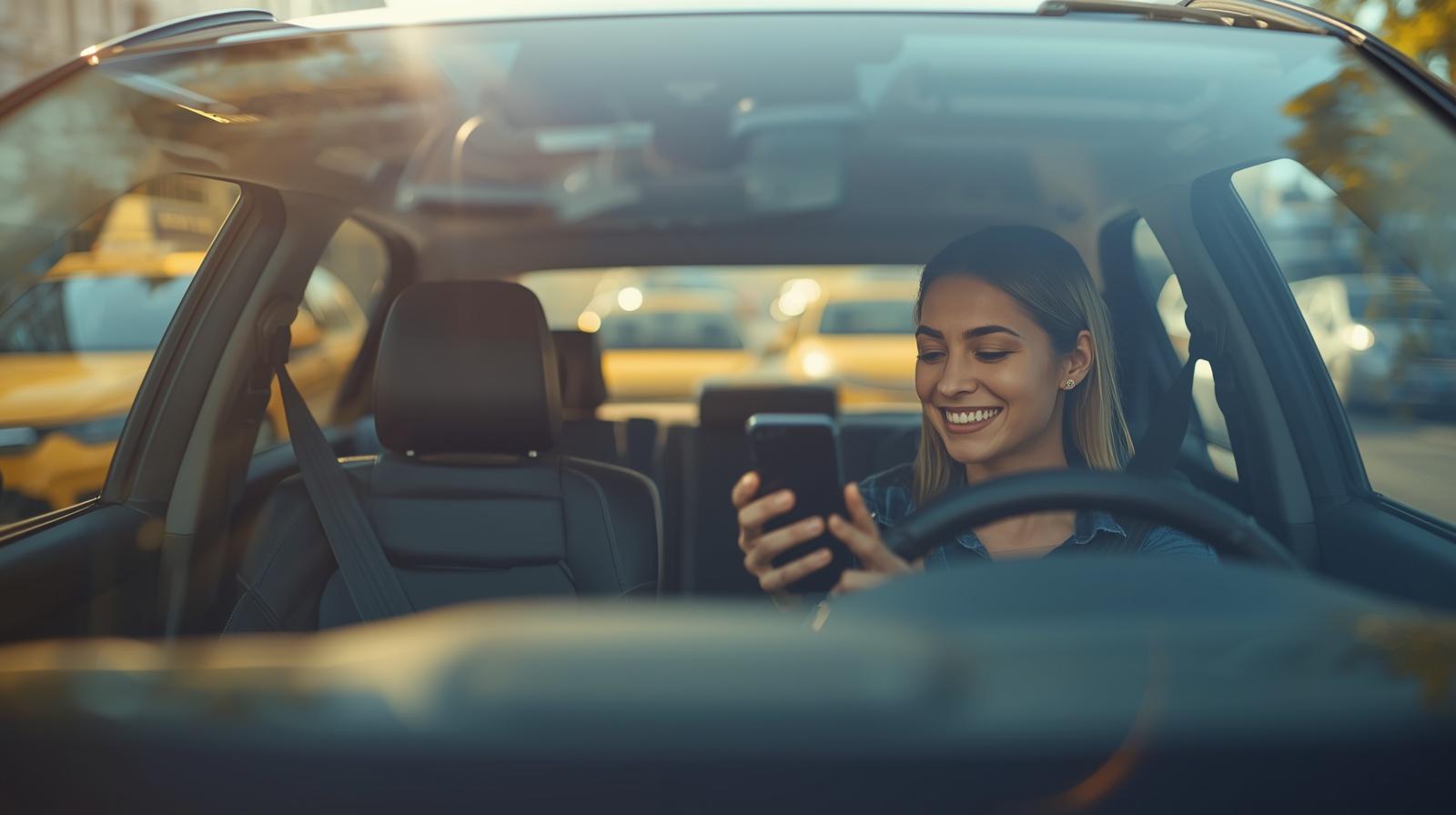
Miami looks like a rideshare goldmine on paper. Year round tourism, a major international airport, world-class nightlife, cruise ship turnover at PortMiami, business travelers in Brickell, Spring Break crowds for a full month every year, art shows, music festivals, and a steady flow of celebrities and snowbirds. If you scrolled through the Uber driver subreddit, you'd think every Miami driver was clearing $1,500 a week without breaking a sweat.
That's not what driving rideshare in Miami actually looks like.
I'm going to give you the version of the Miami driver story that you don't get from rideshare YouTubers the version closer to what the experienced Miami drivers I've talked to will tell you over a Cuban coffee at the MIA staging lot. The good, the bad, and the genuinely brutal.
If you're thinking about driving here, or if you've already started and you're wondering why your numbers don't match the hype, this post is for you.
The Reality Check Up Front
Miami has the lowest per-mile rideshare rates in any major Florida market, sky-high traffic, an airport queue that can swallow 90 minutes of your shift, and a tourist economy that punishes drivers who don't speak the city's actual rhythm. There's real money here, but it's not lying around for anyone to pick up.
The drivers I see thriving in Miami aren't the new arrivals grinding 50-hour weeks. They're the ones who figured out the city's specific patterns and who avoid the obvious traps that burn out 80% of new drivers within 4 months.
Thing #1: The Airport Will Eat Your Time If You Let It
MIA is the centerpiece of any Miami driver's calendar, and it's also where most new drivers lose money without realizing it.
The TNC staging lot sits at the northwest corner of McLaughlin Road and Northwest 20th Street. You can find it by tapping the MIA Waiting Lot symbol in your driver app. Once you're inside the geofence, you're in the virtual queue. You can check your position in the app same as ATL or IAH.
A few realities about the MIA queue:
The lot closes nightly from 1:30 AM – 3:30 AM for cleaning. Rides during this window go by proximity to the airport, not the queue. Some experienced drivers position themselves nearby specifically to catch this window.
If the lot is full, you have to leave. This actually happens during peak arrival waves.
A short ride after pickup gets you priority re-entry. Standard FIFO bump.
Rematch is enabled. Drop someone off, head toward the lot, and you might catch a pickup request without entering the queue at all. This is critical use it.
Idling at the curb gets you ticketed. Airport authorities don't mess around. If you don't have a passenger, keep moving or get to the lot.
The real trap: new drivers see "60 minute wait" in the app and decide to wait it out. Then they get a $14 ride to Doral. They've effectively earned $5/hour for that block. Veteran drivers know when to leave the queue and work Brickell, downtown, or South Beach instead, then return when conditions improve.
MIA also has no single, designated rideshare pickup point pickups happen at curbside on the arrivals level, with the rider telling you which terminal door. This means more communication with passengers (which is fine) but also more chances of mismatched pickups in heavy traffic.
Thing #2: South Beach Is Both a Goldmine and a Trap
Here's what nobody tells new Miami drivers: South Beach is not the place to camp out hoping for surge.
What South Beach actually looks like for a driver:
The bridges on and off (MacArthur Causeway, Julia Tuttle Causeway, Venetian Causeway) are bottlenecks. A 10-minute trip can take 45.
Pickup spots near Ocean Drive, Collins Avenue, and Washington Ave are nightmares pedestrian crowds, double-parked cars, scooters, valet drivers blocking lanes.
During major weekends, traffic plans are actively enforced. For Spring Break 2026, Miami Beach is restricting traffic south of 5th Street and around Flamingo Park from 6 PM Thursday through Sunday during high-impact weeks. Ocean Drive access is limited to 15th Street entrance with sole exit at 5th Street on March 12–15 and March 19–22.
Pickup zone confusion is the worst in the city. Tourists don't know where to wait, so you waste minutes circling.
What actually works: drop off in South Beach, take the next request out of the area as fast as you can, and avoid getting trapped over there during peak hours. The drivers who do well on South Beach nights drop off at hotels and clubs and immediately reposition back across the causeway to mainland.
Thing #3: Brickell Is Where the Money Quietly Lives
Brickell is the underrated gold mine of Miami driving. It's where the financial district meets a dense residential population of high-earning professionals who don't want to deal with parking.
What works in Brickell:
Weekday morning rush (6:30 AM – 9 AM): Steady commuter trips to downtown offices and direct airport runs. Higher tipping than South Beach.
Weekday lunch (11:30 AM – 1:30 PM): Short rides between offices and Brickell City Centre. High volume, decent fares.
Evening / dinner (5 PM – 9 PM): Brickell's restaurant scene is constantly busy. Reliable demand.
Late night (10 PM – 1 AM Thursday – Saturday): Brickell's bars and clubs run until late. Better than South Beach for Uber drivers because the streets are cleaner and traffic is less hostile.
A driver who works Brickell properly Monday through Friday can outperform a driver chasing South Beach surge on weekends. The math just works better.
Thing #4: Spring Break Is a Month, Not a Week
Most US cities deal with Spring Break for a weekend or two. Miami deals with it for the entire month of March, with two specific high-impact weekends that become near-warzones for drivers.
For 2026, the strictest measures are concentrated on:
March 12–15 (first high-impact weekend)
March 19–22 (second high-impact weekend)
What this means for drivers:
License plate readers and DUI checkpoints on the major causeways
Ocean Drive access restrictions (mentioned above)
Free 24-hour shuttles running from city garages to South Beach meaning some of your potential rideshare passengers are taking free shuttles instead
Massive surge potential, but only if you can navigate the chokepoints
Highest rideshare volume of the year Miami Beach completed over 780,000 rideshare trips during Spring Break 2023
The veteran drivers I've talked to either focus on Spring Break and accept the chaos, or avoid Miami Beach entirely during those weekends and work the mainland. There's no good middle path. Pick one strategy and commit.
Thing #5: Hurricane Season Changes Everything
From June 1 through November 30, Miami operates with a different rhythm. Even years without major storms see weeks of heavy rain, flash flooding, and sudden cancellations.
What this looks like for drivers:
Storms create surge spikes, but also dangerous driving conditions. A 2x surge isn't worth a totaled vehicle.
Hotel demand stays unpredictable convention canceled, conferences moved, business travel pauses.
Tourists thin out for weeks at a time, then come roaring back when forecasts clear.
Evacuation periods (rare but real) flip demand on its head heavy outbound airport runs, then days of dead silence.
A smart Miami driver adjusts their hours seasonally. The peak earning window in Miami is roughly November through April. Summer is for paying bills and not much else.
Thing #6: The Language Reality
Miami is the most multilingual major rideshare market in the country. Spanish is functionally the primary language in much of the city, with significant Portuguese (Brazilian tourists), Haitian Creole, French (from Quebec snowbirds), and Russian populations. Mainland Florida culture barely applies once you cross into Miami-Dade.
What this means practically:
Speaking Spanish gives you an enormous edge. Older Cuban-American passengers, tourists from Latin America, hotel staff arranging direct bookings all of them tip more and rebook with drivers who speak Spanish.
Brazilian tourists during their main travel windows (December–February and June–July) are some of the friendliest passengers in the city.
Communication tools matter. Google Translate or a simple offline phrasebook will save you on calls with arrivals at MIA.
Don't fake fluency. Passengers can tell, and it kills the trip vibe. Better to be a friendly English only driver than someone fumbling through bad Spanish.
Thing #7: PortMiami Is a Hidden Opportunity
Most rideshare guides ignore this. PortMiami is one of the busiest cruise ship terminals in the world. Disembarkation days (mostly Saturdays and Sundays) generate massive rideshare demand within a 3-hour window.
What works:
Saturday and Sunday mornings, 7 AM – 11 AM, position near the Port
Many trips are direct Port-to-MIA airport runs ($30–$45)
Cruise passengers are usually relaxed, generous tippers (they're on vacation)
Less competition than MIA ; most drivers ignore PortMiami entirely
The catch: it's all concentrated in narrow time windows. Miss the 9 AM disembarkation wave and you're sitting on dead concrete.
Thing #8: The Things That Will Actually Burn You Out
In rough order of how often they kill new Miami drivers:
Traffic. I-95, US-1, the Palmetto, the Dolphin ; Miami traffic is brutal even on a Tuesday at 11 AM. Use Waze religiously. Plan around traffic, not against it.
Pedestrians and scooters. Especially in South Beach, Wynwood, and downtown. Drive defensively. Pedestrian fatalities are a real problem in Miami; protect yourself with a dashcam.
Tourists who can't navigate. "I'm at the airport" doesn't mean anything at MIA. Always confirm terminal, door, and floor before driving to the pickup. A wrong-floor pickup at MIA can cost you 20 minutes.
Parking citations. Miami enforces aggressively. Don't idle in red zones, taxi lanes, or anywhere not designated for rideshare. Citations stack up fast and the platforms don't pay them.
Vehicle wear. Miami heat destroys cars. AC compressors, batteries, tires — all wear faster than in cooler markets. Budget for it.
Thing #9: The Schedule That Actually Works
A typical week for an experienced Miami driver in 2026 looks something like:
Monday – Wednesday: 6:30 AM – 10 AM (Brickell + airport drops), 4 PM – 8 PM (Brickell dinner + return commute)
Thursday – Friday: Add 9 PM – 1 AM for nightlife (Brickell, Wynwood, South Beach until 11 PM only)
Saturday: 7 AM – 11 AM PortMiami, 4 PM – 8 PM dinners, avoid late-night South Beach during Spring Break and high-traffic weekends
Sunday: 7 AM – 11 AM PortMiami + airport returns, then off
Roughly 30–35 strategic hours that typically gross $1,000–$1,400 for a Miami driver in 2026 ,the same range as Houston, but with more variability based on season and tourism.
A Final Honest Take
Miami can absolutely work as a rideshare market. The drivers I see making real money here treat it like a real business: they speak the languages, they avoid the obvious traps, they work the airport strategically instead of grinding it, and they build repeat clients with hotels, cruise lines, and corporate accounts in Brickell that pay better than the apps ever will.
The drivers who burn out within a year are the ones chasing surge in South Beach on Saturday nights, blowing 90-minute MIA waits on $11 rides, and refusing to learn the city's actual rhythm.
Communities of US drivers actively swap real-time intel on this stuff places like RideShareGuides.com where Miami, Tampa, and Orlando drivers share notes on hotel concierge contacts, cruise line pickup tips, and which neighborhoods to skip during festival weekends. That kind of insider intel is the difference between a Miami driver who lasts and one who quits in March.
Drive smart, work the seasons, learn the languages, and don't let the city eat you alive. Miami pays but only to drivers who know what they're walking into.
This guide is based on publicly available 2026 Miami rideshare rules, MIA airport policies, and driver community reports. Pickup zones, traffic restrictions, and Spring Break enforcement can change always verify the latest at miami-airport.com, miamibeachfl.gov, and your platform's driver app.
Comments
Sign in to join the conversation
Sign In