Driver Deactivation in 2026: Your Rights, The New Laws, and How to Protect Your Account
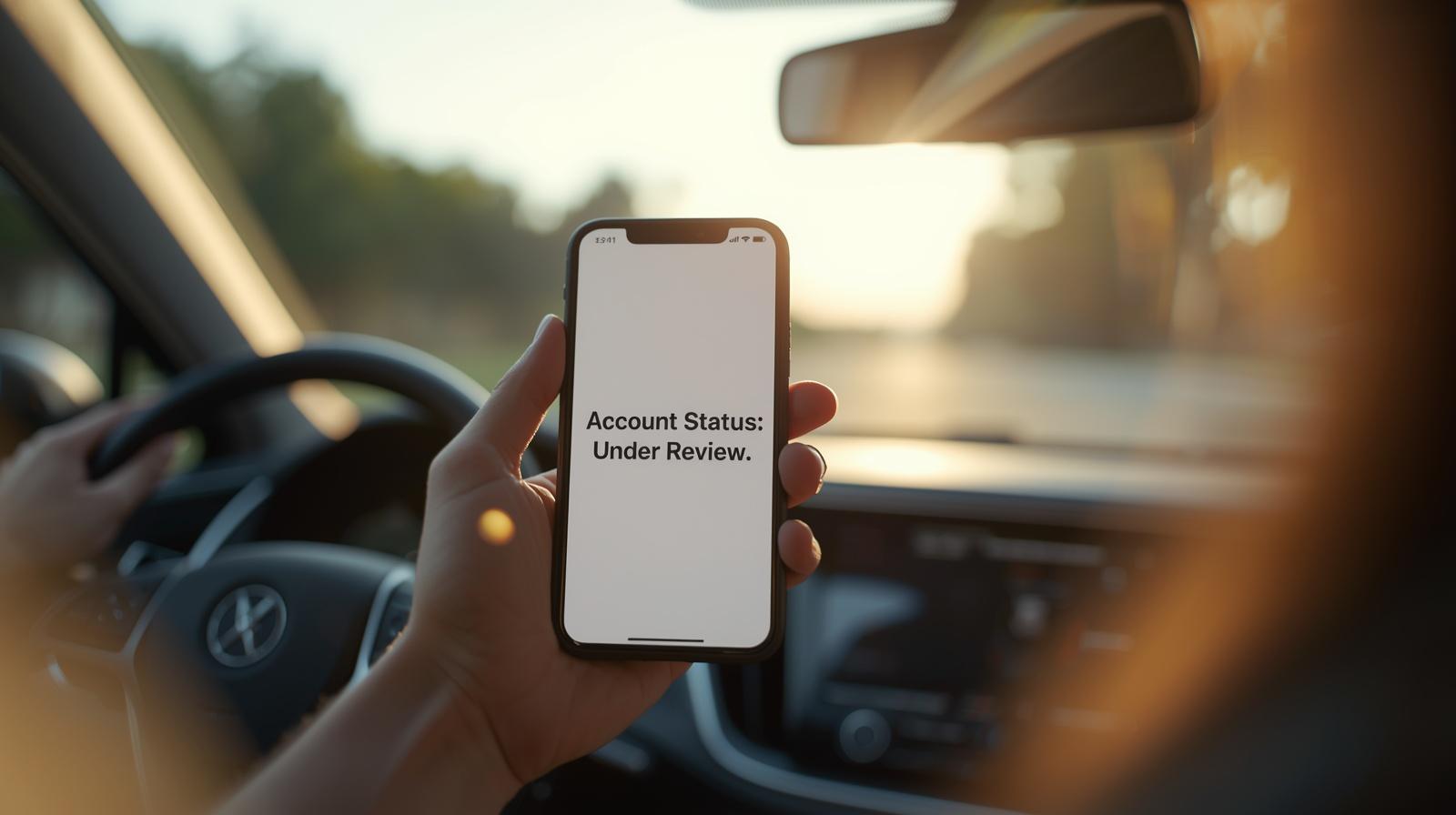
If you have driven Uber or Lyft for more than a year, you know one driver who got deactivated for what seemed like nothing. A complaint they never saw. A passenger they never met. A claim they never had a chance to respond to.
In 2026, this is becoming the defining fight of the US rideshare driver community. And finally, after years of one-sided platform power, drivers are starting to win some real protections.
Here is what is actually happening right now, and what you need to do to protect your account.
The 2026 Reality
Driver deactivation has always been the most one-sided process in rideshare. A passenger files a complaint. The algorithm flags your account. You get an email telling you your access has been suspended. There is no court date. No chance to face your accuser. No real appeal in most cases.
In 2025, deactivations hit a recent peak. AI-driven enforcement systems became more aggressive. Drivers reported being deactivated for issues as minor as wearing certain clothing in a passenger photo or having a slightly low rating after a bad week.
In 2026, the legal and political response has finally arrived.
The Lawsuit Reshaping California
In April 2026, attorney Shannon Liss-Riordan filed a major class action lawsuit against Uber on behalf of California drivers, alleging the company has failed to provide the real appeals process that Proposition 22 promised.
Devins Baker, an eight-year Uber driver from the Bay Area, is one of the lead plaintiffs. He was deactivated right before Christmas 2024 after braking hard to avoid hitting a pedestrian. The passenger was not wearing a seatbelt and fell out of his seat. Baker thinks the passenger reported him, but he was never told. He is now a security guard supporting four children, hoping not to become homeless.
His story is the story of thousands of drivers. The lawsuit alleges Uber has technically complied with Prop 22's appeals requirement on paper but not in practice. The trial-clock deadline is set for December 2027.
The NYC Just Cause Bill
New York City is moving the fastest on driver protection.
Intro 276, sponsored by Council Member Shekar Krishnan, would require:
Just cause for deactivation (no firing without a valid documented reason) 14-day advance notice for non-serious issues Access to an independent appeals process Possible reinstatement with back pay for wrongful deactivations Exception for genuinely dangerous behavior (immediate deactivation still allowed)
Lyft sent a sharp letter to the City Council in September 2025 calling the bill a "public safety risk." The New York Taxi Workers Alliance and most of the rideshare driver community have pushed back hard.
If Intro 276 passes, it would be the strongest driver protection law in the country. Many drivers expect other major cities to follow.
California's Collective Bargaining Law
Effective January 1, 2026, California rideshare drivers now have the legal right to form unions and collectively bargain with Uber and Lyft over pay, deactivations, paid leave, and earnings.
This is enormous. For the first time, drivers can negotiate as a group with the platforms instead of facing them one by one. The Public Employment Relations Board oversees union elections and disputes.
Note: drivers remain classified as independent contractors under Proposition 22. They cannot bargain for full employee benefits. But they can negotiate binding agreements on deactivation protections, which is exactly what most drivers want most.
Illinois Unionization Push
In January 2026, Illinois drivers and labor organizers filed proposed legislation that would create a similar collective bargaining framework. The bill specifically focuses on three issues: pay, safety, and deactivation appeals.
David Crane, a Chicago-area driver, told reporters he now earns about half what he made when he started driving in 2018, despite working longer hours. He described being locked out of Uber four rides short of a $300 weekend bonus after logging off for safety reasons due to exhaustion.
The Illinois bill is still pending. If it passes, it would extend collective bargaining rights to one more major US market.
What Triggers Deactivation in 2026
According to driver community reports and platform documents, the main triggers in 2026 are:
Low passenger rating (typically below 4.6 for Uber, 4.7 for Lyft) High cancellation rate (over 8 to 10 percent) Multiple passenger complaints in a short period Failure to meet documentation requirements (expired insurance, vehicle inspection, license) Reported behavior issues (rudeness, aggressive driving, route disputes) AI-flagged unusual behavior (sudden stops, hard braking, route deviation) Fraud accusations (fake trips, manipulating bonuses)
The frustrating reality: many of these can be triggered by passenger lies or platform glitches with no human review.
Six Moves to Protect Your Account
If you drive in 2026, do these things now:
Run a dashcam with audio and video. The single best defense against false complaints. When a passenger claims you were rude or took a long route, your footage is the evidence that gets the deactivation reversed.
Maintain a high acceptance rate and low cancellation rate. The algorithm rewards stability. Sudden drops are flags.
Keep all documentation current. Insurance, vehicle inspection, driver's license, rideshare endorsement, anything the platform requires. Expired paperwork is the easiest preventable deactivation.
Document everything. Screenshot complaints. Save trip details. Keep dashcam footage for at least 30 days. When you need to appeal, you need evidence.
Know your appeal options. Both platforms have appeals processes. Use them quickly and professionally. AI tools like ChatGPT or Claude can help you draft clear, professional appeal letters when you are stressed.
Build income outside the apps. This is the biggest one and it is the only real long-term protection.
Why the Sixth Move Matters Most
You can do everything right and still get deactivated by an algorithm tomorrow. That is the brutal reality of platform work in 2026.
The only real insurance against deactivation is income that does not depend on a single platform's algorithm. Direct clients you have built relationships with. Hotel concierge contracts. Corporate accounts that book you weekly. Regular airport runs from business travelers who request you directly.
If your account gets deactivated tomorrow and you have a private book of business, you survive. If your account gets deactivated tomorrow and 100 percent of your income came from one app, you might not pay rent next month.
The drivers I see thriving in 2026 are quietly building these direct relationships during their downtime. Some use tools designed specifically for this gap. RideShareGuides.com offers free digital business cards, Personal Driver IDs, and direct booking tools built for US rideshare drivers who want to build a private client base alongside their app work. These are exactly the kind of tools that protect you from algorithmic deactivation.
The Bigger Picture
For the first time, drivers are getting real protection. The Liss-Riordan lawsuit could redefine California. NYC's Intro 276 could set the national standard. California and Illinois are showing collective bargaining can work. These are real changes.
But none of them are guarantees yet. Lawsuits take years. Bills get watered down. Platforms find loopholes.
Your job is to use what protections exist, follow the news on what is coming, and most of all, build the parts of your business that no algorithm can deactivate.
Drive smart, run the dashcam, document everything, and start building direct clients today.
The drivers who survive 2026 and beyond will be the ones who saw this coming.
Comments
Sign in to join the conversation
Sign In