Women+ Connect, HERide, and Female Driver Safety Tech in 2026
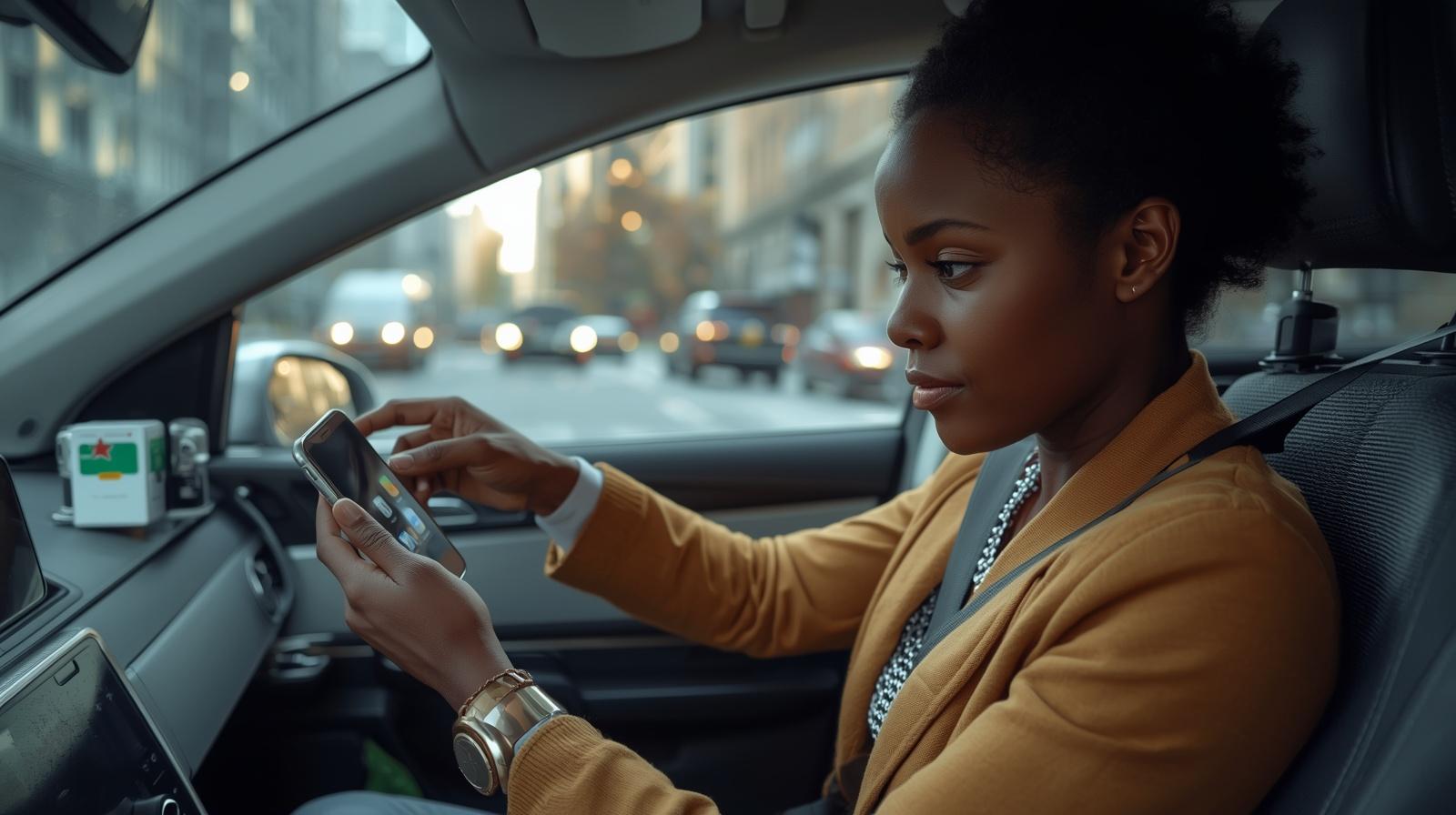
Female rideshare drivers face a different kind of risk than the male drivers next to them in the queue. The numbers prove it, the lawsuits prove it, and the platforms have spent the last two years finally building tools to address it.
If you are a woman driving Uber or Lyft in 2026, you have more safety options than ever before. Here is what is actually available right now, what works, and what to demand next.
Lyft Women+ Connect (Nationwide)
Launched in 2023 in just five cities, Women+ Connect went nationwide across the US in February 2024 and is now the most accessible female driver safety tool on a major platform.
What it does: lets female and nonbinary drivers turn on a preference to be matched with female and nonbinary riders. Same opt-in option for riders who want to prefer female drivers.
The honest catch: it is a preference, not a guarantee. If no matching driver or rider is nearby, the system still pairs you with a man. Lyft has been clear about this from the start.
Who can use it: women, nonbinary drivers, and transgender drivers. Toggle it in your driver app preferences anytime.
Real-world impact: most female Lyft drivers I have heard from say it noticeably reduces their late-night uncomfortable rides, especially after midnight. It does not eliminate them. But fewer is better than the alternative.
Uber Women Preferences (Nationwide as of March 2026)
Uber's version started in Saudi Arabia back in 2019, then quietly tested in Los Angeles, San Francisco, and Detroit in 2025. As of March 9, 2026, the feature is available nationwide across the United States.
The setup is similar to Lyft's: female drivers can opt in to be matched with female riders, and female riders can request female drivers. Globally, Uber says Women Preferences has driven over 230 million rides.
Same caveat applies: preference, not guarantee. Late-night surge demand sometimes pairs you with male riders anyway. But the default position is now in the female driver's favor in markets where there is enough demand on both sides.
HERide (Atlanta-Based, Expanding)
This is the one most national rideshare blogs miss. HERide is a Black woman-founded rideshare service operating in Atlanta and the surrounding metro area where every single driver on the platform is a woman.
Co-founded by Jillian Anderson, Kiersten Harris, and DeVynne Starks, HERide launched in 2020 and grew through bootstrapping and earned media. In 2024, they became one of only three rideshare companies (with Uber and Lyft) ever approved to operate at Hartsfield-Jackson Atlanta International Airport. They got airport signage in February 2024.
For female drivers, HERide is genuinely different from Uber and Lyft:
Drivers earn 80 percent of each fare, far above the roughly 58 percent drivers keep at Uber after the take rate Every driver on the platform is a woman, every passenger pickup is a woman-on-woman ride All drivers undergo gender-sensitivity training and rigorous background checks The platform actively supports its drivers as small business owners
HERide currently operates in 60+ Atlanta metro cities and is actively raising funds to expand to other markets with major airports, college campuses, and dense event activity. If you are a female driver in Atlanta and you have not signed up for HERide, this is your next move.
Dashcams as a Deterrent
Beyond the platform-specific tools, dashcams remain the single most effective universal safety tool for female drivers. A clearly visible dashcam with a small "audio and video recording" decal in the rear window changes passenger behavior measurably.
The setup that works:
A dual-channel dashcam with front and interior recording (Vantrue N4 Pro is the rideshare driver standard) A small visible decal in the back window so passengers know they are being recorded The audio recording function turned on (legal in most US states, but check your state's two-party consent laws) Hardwired so it runs even when you are away from the car
A dashcam is not a guarantee of safety. It is a deterrent and a record. When something goes wrong, that footage is the difference between your account getting deactivated over a false claim and the claim getting dismissed.
In-App Emergency Tools
Both Uber and Lyft have built-in safety features that female drivers should know cold:
Emergency SOS button (calls 911 with your live location) Share My Trip (sends your real-time trip to trusted contacts) RideCheck (Uber) and Smart Trip Check (Lyft) automatically detect unusual stops or long delays and check in on you 911 integration with RapidSOS in 1,800+ US jurisdictions that automatically sends trip details to dispatchers
Set up trusted contacts in both apps right now if you have not. The 10 seconds it takes could save your life.
What Drivers Are Still Demanding
The features above are real progress, but they are not enough. Female driver advocates and groups like Rideshare Drivers United are still pushing for:
Full rider identity verification with live selfie matching (riders only need to upload a document right now, drivers face the camera every shift) Mandatory dashcam policies on the platforms Banning of riders after first verified safety complaint, not after multiple Higher take-home pay for women drivers, who currently make about 20 percent of US Uber and Lyft drivers but face higher risk
If these matter to you, the way they happen is through state legislation and driver advocacy organizations. Sign up. Speak up. Show up.
Building the Business That Protects You
Here is the part nobody talks about in safety articles. The most powerful protection a female rideshare driver has is income that does not depend on random late-night strangers.
Direct clients you know. Hotel concierge partnerships where the same drivers do the same regular runs. Corporate accounts that book you for scheduled airport trips. Wedding and event clients booked weeks ahead. These are riders you have vetted, who are accountable, who come back to you because of your service, not because of a random algorithm match.
Female drivers I know who have built strong direct client bases tell me their dependence on stranger rides at 2 AM has dropped dramatically. The platforms still pay the bills during the day. The direct clients fill in the rest.
Tools designed specifically for this are starting to fill the gap. Platforms like RideShareGuides.com offer free digital business cards and driver IDs built for US rideshare drivers, including a Personal Driver ID that lets your existing professional passengers find you again for direct bookings. For female drivers, the safety benefit is structural: you choose who you drive for, on your schedule, with people you have already verified.
The Bottom Line
In 2026, female rideshare drivers have more tools than ever. Lyft Women+ Connect, Uber Women Preferences, HERide where available, dashcams, in-app emergency tools.
But the deepest safety protection is structural. Build a private client base of regular passengers who know you, respect you, and book you directly. The platforms can match you with strangers at 2 AM. Your direct clients are people you choose to drive.
Use the tools. Demand more. And build the business that protects itself.
Drive safe out there.
Comments
Sign in to join the conversation
Sign In