Why Many Drivers Are Quitting Rideshare in 2026
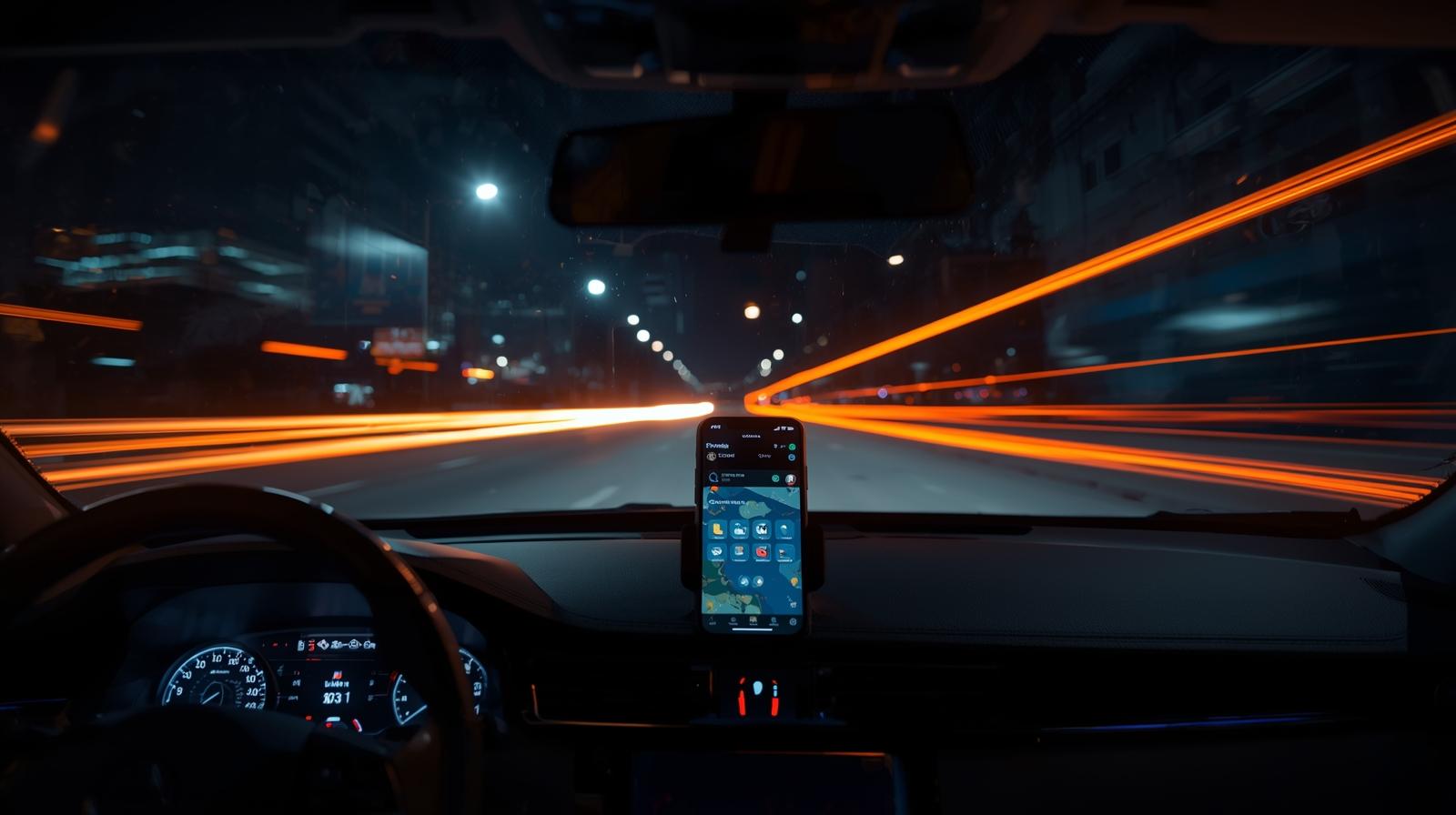
The Reality of Rideshare in 2026
Rideshare driving was once seen as an easy way to earn flexible income. But in 2026, a growing number of drivers are logging off for good.
From declining earnings to rising expenses, the gig economy is shifting fast—and drivers are feeling the pressure.
So what’s really going on?
1. Earnings Are Dropping (But Costs Are Rising)
Many drivers report that:
Per-mile rates have decreased
Bonuses and incentives are harder to get
Surge pricing is less predictable
At the same time:
Gas prices remain unstable
Vehicle maintenance costs are increasing
Insurance premiums are higher than ever
2. Fuel Prices Still Hurt Profits
Even small increases in fuel prices can destroy daily earnings.
Drivers who once made $200/day are now seeing:
Lower net income
More hours required to hit the same goal
This is one of the biggest reasons drivers are quitting in 2026.
3. Algorithm Changes & Less Transparency
Rideshare platforms are using smarter algorithms, but not always in drivers’ favor.
Common complaints:
Less trip visibility before accepting
More “low-paying” ride requests
Reduced control over earnings
Drivers feel like they’re working for the system, not with it.
4. Higher Risk of Deactivation
Account bans are becoming more common due to:
Strict rating systems
Customer complaints
Policy changes
Even experienced drivers can lose their accounts overnight—with no clear appeal process.
5. Burnout Is Real
Driving long hours, dealing with passengers, and chasing bonuses leads to:
Mental stress
Physical exhaustion
Loss of motivation
Many drivers simply decide it’s not worth it anymore.
What Smart Drivers Are Doing Instead (2026 Guide)
Quitting doesn’t mean giving up income. Smart drivers are adapting.
1. Multi-App Strategy (Don’t Rely on One Platform)
Top drivers now use:
Uber + Lyft
Delivery apps like DoorDash or Instacart
This increases:
Trip options
Earnings stability
Control over time
2. Using Smart Driver Apps
Tools like:
Trip analyzers
Profit calculators
“Unicorn trip” finders
Help drivers:
Avoid low-paying rides
Maximize every mile
3. Switching to Higher-Paying Gigs
Many are moving to:
Private rides (off-app clients)
Courier/delivery contracts
Freelancing or remote work
Less stress, more control
4. Treating It Like a Business
Successful drivers now:
Track expenses and profits
Set daily earning goals
Drive only during peak hours
This mindset shift is a game changer.
5. Building Online Income Streams
Some drivers are:
Starting blogs (like RSG 😉)
Creating YouTube or TikTok content
Promoting affiliate offers
Final Thoughts
Rideshare isn’t “dead” in 2026 but it’s definitely changing.
Drivers who fail to adapt are quitting.
Drivers who evolve are still making money.
The key is simple:
Work smarter, not longer.
Comments
Sign in to join the conversation
Sign In