Uber & Lyft Minimum Pay Laws in 2026: A State-by-State Guide for Drivers
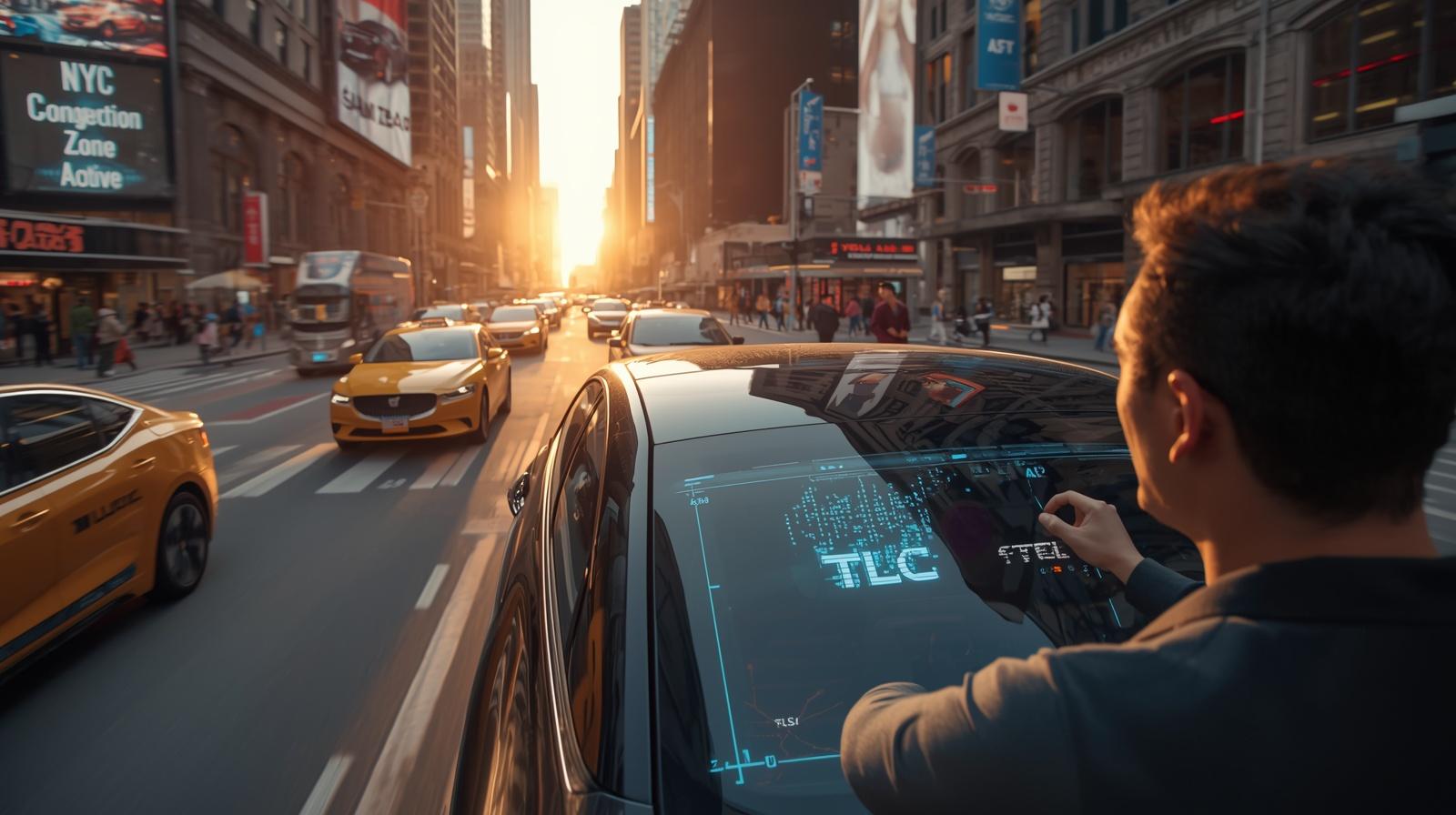
If you drive for Uber or Lyft, the state you live in now matters more than ever. In 2026, drivers in Massachusetts are guaranteed $32.50 an hour. Drivers in Minnesota earn $1.28 per mile by law. New York City drivers have had a minimum pay floor for years. Meanwhile, drivers in Texas, Florida, and most of the South are operating with zero legal protection on what Uber and Lyft can pay them.
This guide breaks down exactly what minimum pay laws exist in 2026, which states are about to pass them, what the rates actually mean for your paycheck, and — most importantly — what you can do right now to protect your income regardless of where you drive.
Why This Matters More Than Ever
The average rideshare driver in America earns about $21.12 per hour gross — but that's before gas, maintenance, depreciation, and self-employment taxes eat roughly half. In states without minimum pay protections, drivers regularly take home less than minimum wage after expenses. A Berkeley study found gig driver pay in Massachusetts and Minnesota was just $11.22 and $12.34 per hour respectively before the new laws took effect — well below both states' applicable minimum wages.
Minimum pay laws are the single biggest lever for fixing this. They put a legal floor under what Uber and Lyft have to pay you — and in states that have them, drivers have seen real, measurable increases in take-home pay.
The States That Have It (And What They Pay)
Massachusetts — The Gold Standard
Massachusetts has the highest guaranteed rideshare earnings in the country. After a ballot deal struck with Uber in 2024, drivers are now guaranteed:
$32.50 per hour minimum for engaged time (when you have a passenger or are heading to pickup)
A portable health insurance benefit fund (launched 2025)
Paid sick leave
Workers' compensation
Paid family and medical leave
Multilingual driver support rolling out through 2026
Drivers keep their independent contractor status, but get the strongest financial protections in the U.S.
New York — The Original
New York City set the original minimum pay floor back in 2018, and the state later expanded it. NYC drivers have:
Per-minute and per-mile minimum rates (updated annually for inflation)
Paid sick leave
Workers' compensation
Lockout protections (newly debated after 2024 app-limitation incidents)
The Independent Drivers Guild (IDG) deactivation appeals process (90% reinstatement rate — the highest in the nation)
Rideshare Drivers United has been pushing California for a similar rate card: $1.75 per mile and $0.60 per minute.
Minnesota — Statewide Victory in 2024
After a long fight — during which Uber and Lyft threatened to leave the state — Minnesota passed statewide minimum pay for rideshare drivers:
$1.28 per mile on average
31 cents per minute on average for passenger time
Paid sick leave, workers' comp, and family/medical leave
Note: As part of the deal, cities like Minneapolis were blocked from passing their own stricter rules — so state law is the ceiling and the floor.
Washington — Paid Leave Pioneer
Washington was the first U.S. state to give rideshare drivers paid family and medical leave in 2023. Drivers get:
Statewide per-mile and per-minute minimums (modeled by Maine lawmakers in 2026)
Paid sick leave
Paid family and medical leave
Workers' compensation
New pay transparency requirements for special categories (Black, XL, etc.)
California — Complicated
California technically has driver pay protections under Prop 22:
Guaranteed 120% of minimum wage during active trip time
Healthcare stipend for drivers hitting hours thresholds
Occupational accident insurance
The problem: there's no state agency enforcing Prop 22, and the formula only counts "engaged" time — not the hours you spend online waiting. The Berkeley study found real net pay for California drivers averaged just $7.63 per hour after expenses, despite the law.
This is exactly why drivers filed the April 20, 2026 lawsuit against Uber — and why AB 1340 unionization rights kicked in January 1, 2026. California is in active transition.
The States Fighting For It Right Now
Maine — On the Table in 2026
Maine's legislature is currently considering LD 877, which would set minimum rates starting January 1, 2027:
$1.17 per mile OR $0.34 per minute, whichever is greater
Alternative flat fee of $3 per ride
Rates indexed to cost of living starting 2028
The bill is modeled after Washington State's law. Uber is fighting hard against it.
Colorado — Pay Transparency Under Attack
Colorado passed a pay transparency law requiring Uber to disclose to drivers:
The total fare the passenger paid
How much went to the driver
How much was a tip
Uber is currently suing Colorado, arguing the law violates its free speech rights. If Uber wins, it sets a dangerous precedent for other state laws.
Connecticut & Wisconsin
Both states introduced legislation in 2025 for:
Pay transparency requirements
Accident insurance coverage
Sickness insurance
Active legislative sessions in 2026 could push these through.
Illinois & Oregon
Drivers in both states are actively organizing for minimum pay laws. Oregon's bill, sponsored by Sen. Kayse Jama, is modeled on Washington's framework but faces heavy Uber lobbying.
The States With Zero Protections
If you drive in most of the South, Midwest, or Mountain West, you have no statewide minimum pay law. This includes:
Texas (largest rideshare market with no pay floor)
Florida (Uber's second-largest U.S. market)
Georgia
Tennessee
Arizona
North Carolina
Ohio, Indiana, Missouri
Most Southern and Plains states
In these states, Uber and Lyft can change your pay formula overnight with no notice, no minimum, and no appeal. Drivers here need to be the most strategic of all.
What These Rates Actually Mean in Your Pocket
Let's translate the legal rates into real dollars using a typical 8-hour day with 5 hours of engaged time and 120 miles driven:
StateFormulaEst. Daily GrossAnnual (40hr/week)Massachusetts$32.50/hr engaged~$162.50~$33,800Minnesota$1.28/mi + $0.31/min~$247~$51,300NYC (NY)~$1.75/mi + $0.60/min~$390~$81,000Texas/FL (no law)Platform rates~$160~$33,300
These are simplified estimates and don't account for expenses — but they show something critical: your state can swing your annual income by $15,000 to $40,000 a year.
8 Things Every Driver Should Do Right Now
1. Know Your State's Actual Rate
If you're in a protected state (MA, MN, NY, WA, CA), pull up the official rate card from your state labor department website. Screenshot it. Save it. Use it as a reference against your actual pay.
2. Audit Your Pay Weekly
Every Sunday, compare your actual per-mile and per-minute pay against your state's legal minimum. Apps like Gridwise, Stride, and Para let you track this automatically. If your pay is consistently below the legal floor, that's a potential wage theft claim.
3. Save Every Pay Screenshot
If you suspect the company is underpaying you, screenshots are your evidence. Companies sometimes adjust formulas quietly. A year of weekly screenshots is how drivers won back pay in California's ongoing wage-theft case (trial set for December 2027).
4. Understand "Engaged Time" vs "Online Time"
This is where most drivers get tricked. Most minimum pay laws only apply to engaged time — from the moment you accept a ride until drop-off. The hours you sit online waiting for pings? Usually unpaid. That's why drivers push for laws that include wait time, like NYC's model.
5. Join Your State's Driver Advocacy Group
Every state with a pay law got one because drivers organized for it:
Massachusetts: Independent Drivers Guild Mass
Minnesota: Mobile Workers Alliance (MULDA)
New York/NJ: Independent Drivers Guild
California: Rideshare Drivers United (RDU)
Washington/Oregon: Drivers Union
Other states: Search "rideshare drivers united [your state]"
Membership is usually free or under $20/year — and these are the groups moving legislation in your capitol.
6. Report Violations
If Uber or Lyft pays you less than your state requires, most state labor departments accept complaints. In New York, the Department of Consumer and Worker Protection (DCWP) actively investigates. In Massachusetts and Minnesota, the state Attorney General's office handles wage claims.
7. If You're in a "No Protection" State — Multi-App
If Texas, Florida, or another no-law state is your market, your only real leverage is diversification. Run Uber + Lyft + DoorDash + Instacart simultaneously. Cherry-pick the best offers. Drop long pickups. Avoid low surge. You are a business — act like one.
8. Vote and Lobby
Every minimum pay law in America exists because drivers showed up — to hearings, to rallies, to their state reps' offices. If a bill is pending in your state, contact your legislator. Even a 30-second phone call or email matters when committees are counting voices.
What's Coming Next
The momentum is clearly on drivers' side. Here's what to expect over the next 18 months:
California's AB 1340 union elections kick off May 1, 2026 — first contracts could set a new national baseline for pay
Maine's LD 877 likely passes in 2026 with a 2027 effective date
Connecticut and Wisconsin could pass pay transparency laws this legislative session
The California wage theft trial (December 2027) could force massive back-pay settlements
Uber's Colorado lawsuit will test whether pay transparency laws can survive First Amendment challenges
Expect 5–10 more states to introduce minimum pay bills in 2026–2027
Comments
Sign in to join the conversation
Sign In