The Lyft–NVIDIA Deal: What It Actually Means for Lyft Drivers in 2026
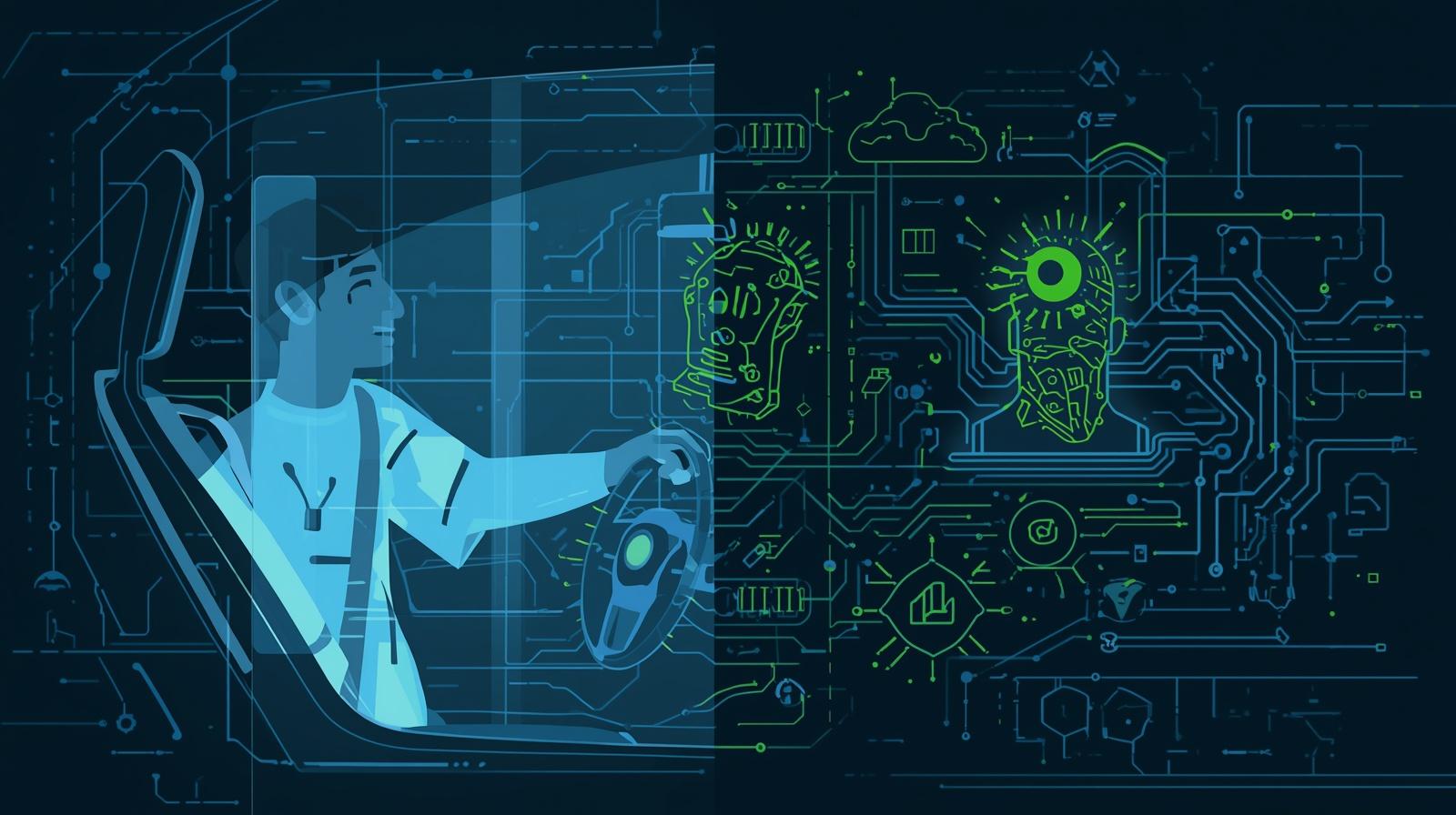
On March 16, 2026, Lyft made one of the biggest announcements in its history. At the NVIDIA GTC AI Conference in San Francisco, Lyft unveiled a major partnership with NVIDIA that touches almost every part of the platform: how rides get matched, how routes get calculated, how maps get built, and how Lyft prepares for its autonomous future.
If you drive for Lyft, this affects your work directly. But because the announcement got covered mostly by tech and business press, very few people have explained what it actually means for working drivers on the road today.
This post is the driver's version. What's changing, what isn't, and what to do about it.
The Quick Version
Lyft is integrating NVIDIA AI across three core areas:
Enterprise AI infrastructure. Smarter ride matching, smarter pricing, smarter demand prediction. This affects every driver right now.
Next-generation mapping. Better maps and route data over time. This affects how your in-app navigation behaves.
Level 4 autonomous fleet architectures powered by NVIDIA DRIVE Hyperion. The long-term play. This is where robotaxis come in.
In plain English: in the short term, Lyft's dispatch and routing should get better. In the medium term, mapping improves. In the long term, autonomous Lyft vehicles will operate alongside human drivers on the same platform.
What's Going to Change for Drivers in the Short Term
The biggest immediate impact is on ride matching and demand prediction.
Lyft's existing AI already decides which driver gets which ping based on dozens of factors: distance, ratings, vehicle type, surge zone, time of day. With NVIDIA's AI infrastructure, those decisions get faster and more accurate.
What you might notice as a driver in the coming months:
Shorter pickup distances on average. Better matching algorithms send you to closer riders. Less deadhead, more paid miles.
More precise surge prediction. Lyft's "Prime Time" zones should become more accurate. When you see a surge zone, it's more likely to actually be hot.
Smarter ride stacking. The platform can predict your next ride before you finish the current one, which means less idle time between trips.
More personalized incentive offers. Quest bonuses, hot zone alerts, and weekly challenges will be tailored more tightly to your driving patterns.
Not all of these changes are going to be obvious. Most will quietly improve your efficiency without you knowing why. The drivers paying attention will notice their hourly averages tick up a bit. The drivers not paying attention will just have a slightly better week and not connect it to anything.
The Mapping Upgrade
The second area NVIDIA is helping with is mapping. Lyft is building what it calls "next-generation mapping systems" using NVIDIA's compute platforms.
For drivers, this means a few things over the next year:
Better in-app navigation. Lyft's built-in nav has historically lagged behind Waze and Google Maps. NVIDIA-powered mapping should close that gap.
More accurate ETAs. Both pickup ETAs and drop-off ETAs should get more reliable, which affects passenger satisfaction and ratings.
Better handling of construction zones, road closures, and rerouting. This is where most current rideshare nav systems struggle. NVIDIA-grade mapping handles these scenarios much better.
That said: don't throw out Waze yet. The mapping upgrade is going to roll out gradually, and even when it lands, most experienced drivers will probably still prefer their dedicated nav app for the actual driving. The in-app routing will just get better as a backup.
The Long Game: Level 4 Autonomous Fleet
This is the part most directly tied to the robotaxi conversation.
NVIDIA DRIVE Hyperion is a hardware-and-software platform built specifically for Level 4 autonomous vehicles. Level 4 means the vehicle can drive itself fully in defined geographic areas without a human driver. Waymo currently operates at Level 4. Tesla is targeting Level 4. So is Zoox.
Lyft is using DRIVE Hyperion as the reference platform for what it calls a "hybrid network." That hybrid includes:
Fleet-owned autonomous vehicles Partner-deployed autonomous vehicles (like the existing Lyft and Waymo partnership in Atlanta and Nashville) Eventually, consumer-owned Level 4 autonomous vehicles that operate on the Lyft platform
That last category is interesting. It suggests Lyft is thinking about a future where someone could buy a Level 4 capable vehicle and put it on Lyft as an autonomous earner, similar to how you put your own car on Lyft today.
For human drivers, this is the same long-term squeeze the robotaxi conversation has been about. The Lyft NVIDIA partnership accelerates Lyft's ability to deploy autonomous vehicles in more cities, but the timeline for real impact in most US markets is still 2027 and beyond.
What Lyft Says Versus What Drivers Should Hear
Here's the part the press releases don't say out loud.
Lyft's official framing of this partnership is all about "smarter rides" and "the next era of transportation." Rishi Dhall of NVIDIA called it AI's power to "solve real-world challenges at massive scale."
Translation for drivers: Lyft is building the technical foundation to depend less on human drivers in the long term, while making its current human-driver platform more efficient in the short term.
Both things can be true at once. The short-term efficiency gains are real and they probably help working drivers right now. The long-term direction is also real and it points toward a smaller role for human drivers over the next decade.
The smartest drivers will use the short-term benefits while preparing for the long-term shift.
What You Should Do Right Now
Three concrete moves while this rolls out:
Pay attention to your hourly average over the next 90 days. If the AI improvements work as advertised, your earnings per hour should improve slightly. If they don't, that's useful data too. Track it.
Don't quit other tools just because Lyft's in-app nav is improving. Waze, Google Maps, and your existing toolkit are still your daily drivers. Let Lyft prove the new mapping before you trust it for actual routing.
Build your business outside the apps. This is the same advice every post in this series keeps coming back to, and it gets more important every time Lyft or Uber announces a big AI investment. The platforms are getting more efficient at extracting value from your driving. Your defense is having income streams the platforms can't optimize you out of: direct clients, repeat passengers, corporate accounts, premium tier work.
The Bigger Picture
Lyft's partnership with NVIDIA isn't the first AI deal in rideshare and it won't be the last. Uber has its own NVIDIA partnership through the AV Labs program. Tesla is building its own AI stack. Waymo runs entirely on Google's AI infrastructure.
What's different about the Lyft NVIDIA deal is that it's the most public commitment yet to building AI directly into Lyft's day-to-day operations, not just its autonomous future. That means working Lyft drivers are about to be the test case for how human-driver platforms perform when they get genuinely smart.
For now, drive your shifts, watch your numbers, and use whatever short-term benefits the AI brings. Just don't lose sight of the longer game.
A Final Note
The drivers who'll do best in the AI-augmented rideshare landscape aren't the ones fighting the change or pretending it's not happening. They're the ones using the improved efficiency to drive smarter shifts, while building the parts of their business that don't depend on the platform at all.
NVIDIA's AI is going to make Lyft a more efficient platform. That helps everyone, including drivers, in the short term. Whether it helps drivers in the long term depends entirely on what you do with the short-term gains.
Drive smart, watch the numbers, and keep building the business under the business.
Comments
Sign in to join the conversation
Sign In