The Lockout Lawsuit Crisis: How Uber and Lyft Are Stealing $1 Billion From NYC Drivers
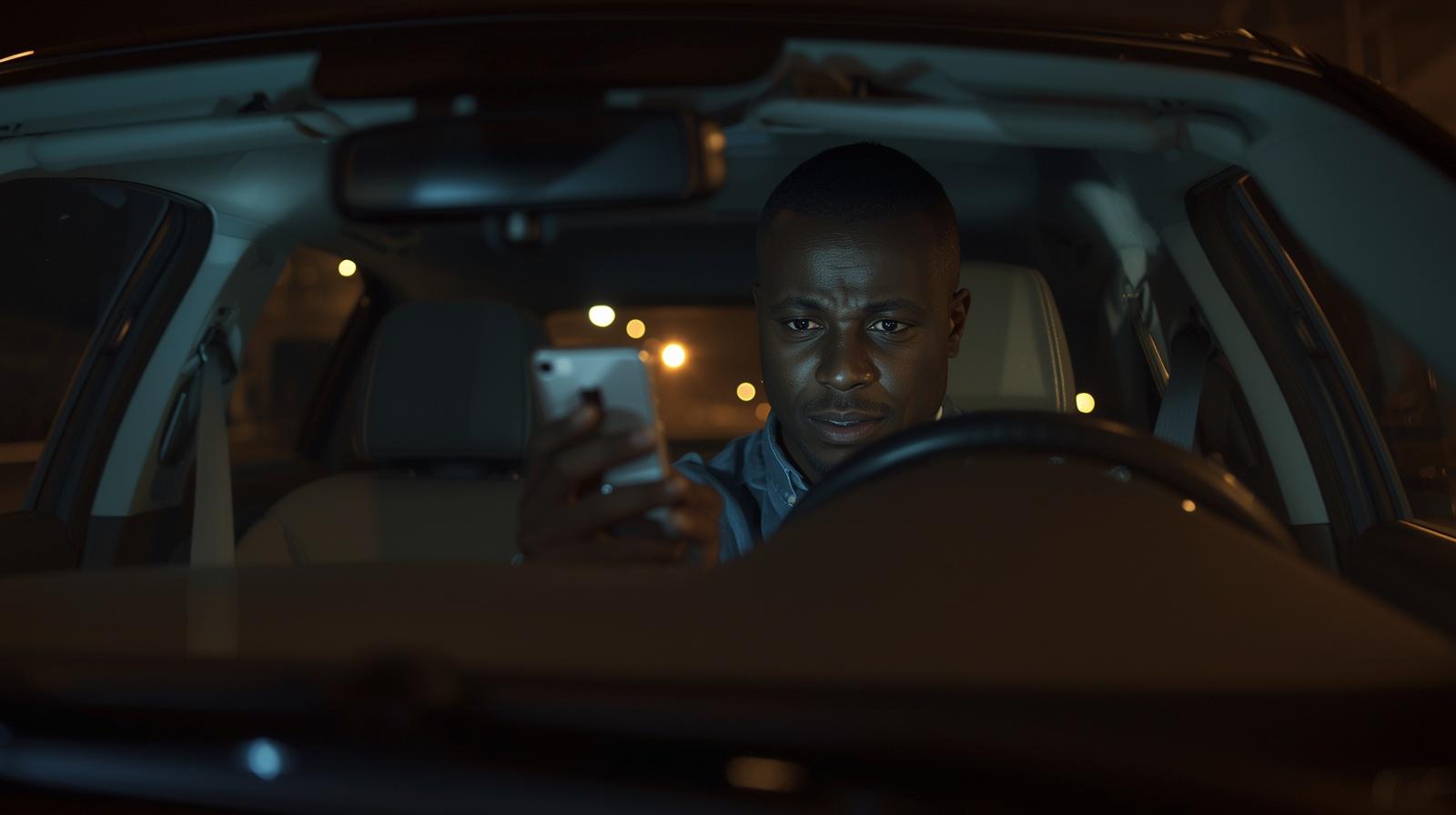
If you drive for Uber or Lyft anywhere in the US, you should pay close attention to what is happening in New York City right now. A multi-billion dollar fight is playing out over a practice the platforms have been quietly using to cheat drivers out of their guaranteed minimum pay. And the legal battle starting in NYC could reshape driver pay everywhere.
Here is what is actually going on, and why every US rideshare driver needs to understand it.
The Quick Version
In 2018, New York City passed the first law in the country requiring rideshare apps to pay drivers a minimum hourly rate. The current minimum is $17.22 per hour, including time spent waiting between trips.
To skirt that law, Uber and Lyft started locking drivers out of their apps mid-shift in 2024. By locking out drivers, the platforms artificially inflated their "utilization rate," which is the math the city uses to calculate minimum pay. A Bloomberg investigation later confirmed this scheme has cost drivers over $1 billion in lost earnings.
NYC Comptroller Brad Lander and the New York Taxi Workers Alliance are now fighting back. The result of this fight will likely set the standard for driver pay protection across the US.
The Math Behind the Scheme
Here is the technical part, because it matters.
NYC's law requires the platforms to pay drivers the minimum rate based on a formula:
Time spent with a passenger Divided by total time available to accept rides
If a driver spends 60 percent of their time with passengers and 40 percent waiting, the platform owes them minimum pay for that 40 percent waiting time. That is what the utilization rate measures.
Here is what Uber and Lyft figured out: if they lock drivers out of the app entirely during slow periods, those drivers are not "available" anymore. The lockout time disappears from the utilization rate calculation. On paper, it looks like drivers are busier than they actually are.
Result: the city calculates a higher utilization rate than reality. The platforms owe drivers less. Drivers lose money. Uber and Lyft keep more.
Bloomberg, working with rideshare pricing analytics company Obi, ran the data and found the lockouts could collectively cheat drivers out of over $1 billion annually going forward if the practice continues.
Real Drivers Hit Hardest
The driver stories are brutal. Bloomberg's investigation documented working drivers losing hundreds of dollars per week. Increased credit card debt. Inability to pay rent. Worsening mental health from unpredictable shifts.
Carmen Cruz, who has driven for Uber and Lyft for 11 years, told reporters in Spanish that the platforms started the lockouts the moment drivers asked for a raise. She described it as a crisis.
Other drivers described showing up to work, putting in eight or ten hours expected, and getting locked out for hours mid-shift with no warning. They could not predict their income. They could not plan their day. They lost both the work and the pay they were promised.
The Fight Back
NYC Comptroller Brad Lander, who originally sponsored the 2018 minimum pay law as a City Council member, has been the most visible elected official pushing back.
In September 2024, Lander sent a formal letter to the NYC Taxi and Limousine Commission (TLC) demanding access to the data the platforms use to calculate utilization rates. He requested individualized trip data from January 2023 forward to investigate whether the lockouts were manipulating the system.
The New York Taxi Workers Alliance, led by Executive Director Bhairavi Desai, submitted a formal petition for rulemaking under the City Charter. They demanded the TLC discard the manipulated data from the lockout period and recalculate drivers' actual utilization rate. The TLC was required to respond by November 4, 2024.
By August 1, 2025, NYC had implemented new lockout protections requiring 72-hour notice before any lockout and prohibiting lockouts for the first 16 hours after a shift starts. These were real wins, but they did not return the money already stolen through the manipulated 2024 utilization rate.
The legal fight over the original $1 billion in lost earnings continues.
Why This Matters Outside New York
If you drive in Houston, Atlanta, Phoenix, Miami, Chicago, or anywhere else in the US, this still matters to you. Here is why.
NYC is the only US city with strong rideshare driver minimum pay protections. The lockout crisis is exposing exactly how the platforms respond when those protections exist. They find loopholes. They manipulate data. They blame the regulation for the lockouts (Uber and Lyft both falsely told NYC drivers the lockouts were required by the law itself).
This is the playbook the platforms will use everywhere similar pay protections appear. Minnesota recently passed minimum pay legislation. California has new collective bargaining rights effective January 2026. Illinois is pushing for unionization. Massachusetts has its own minimum pay rules.
Every one of these markets will likely see some version of the lockout strategy as the platforms try to maintain their profit margins. NYC is the canary in the coal mine.
The Bigger Picture: Algorithmic Pay Compression
Lockouts are just one part of a broader pattern. The platforms have multiple tools to reduce driver pay even when laws try to protect minimums:
Upfront pricing that varies trip pay based on individual driver acceptance patterns Take rates that have climbed from 32 percent (pre-2022) to 42 percent national average, with some individual rides hitting 65 to 70 percent Quest bonus structures that demand more rides for the same money "Personalized" promotions designed to manipulate driver behavior at lower cost Algorithmic deactivations that remove vocal drivers from the platform
The Bloomberg lockout investigation is one chapter in a longer story about platforms systematically transferring value from drivers to their balance sheets.
What You Can Actually Do
Even if you do not drive in NYC, three moves protect you from this kind of pay compression:
Track your actual earnings carefully. Use Gridwise, Stride, or Everlance to measure real hourly rates including unpaid lockout time. The platforms count on most drivers not knowing their true numbers. Know yours.
Support driver advocacy organizations. The NYC Taxi Workers Alliance is fighting this fight, but similar groups exist in most major markets. Rideshare Drivers United (California), Independent Drivers Guild (Illinois, NY), and others. They are the only reason drivers have any protection at all.
Build income outside the apps. This is the biggest one. The platforms can manipulate utilization rates, change pay formulas, lock you out of the app, deactivate your account, and adjust trip pay individually. They cannot touch the income you earn from clients who book you directly.
Direct clients pay you what you charge. Hotel concierge contracts pay weekly regardless of platform algorithms. Corporate accounts book you in advance. Repeat passengers request you specifically. None of these can be affected by an Uber or Lyft policy change.
This is where smart drivers are quietly putting their energy in 2026. Tools designed specifically for this gap make it easier than ever. RideShareGuides.com offers free digital business cards, Personal Driver IDs, and direct booking tools built for US rideshare drivers who want a private client base alongside their app work. The drivers using these tools are the ones least affected when Uber or Lyft pulls another lockout maneuver.
The Bottom Line
NYC's lockout crisis is the clearest evidence yet that the platforms will exploit any loophole they find to reduce driver pay. The fact that they made over $1 billion this way in a single city tells you everything you need to know about how seriously they take driver income.
The legal fight in NYC could change the rules for the entire US. But waiting for that to happen is not a strategy.
The smartest move every US rideshare driver can make in 2026 is to start building income outside the apps. The platforms can manipulate utilization rates. They can change formulas. They can lock you out. But they cannot reach the client base you build directly.
Track your numbers. Support driver advocacy. And start building the part of your business that the platforms cannot touch.
Drive smart out there.
Comments
Sign in to join the conversation
Sign In