Tesla, Waymo, and Zoox Robotaxi Pricing: The Race to the Bottom That's Hitting Driver Earnings
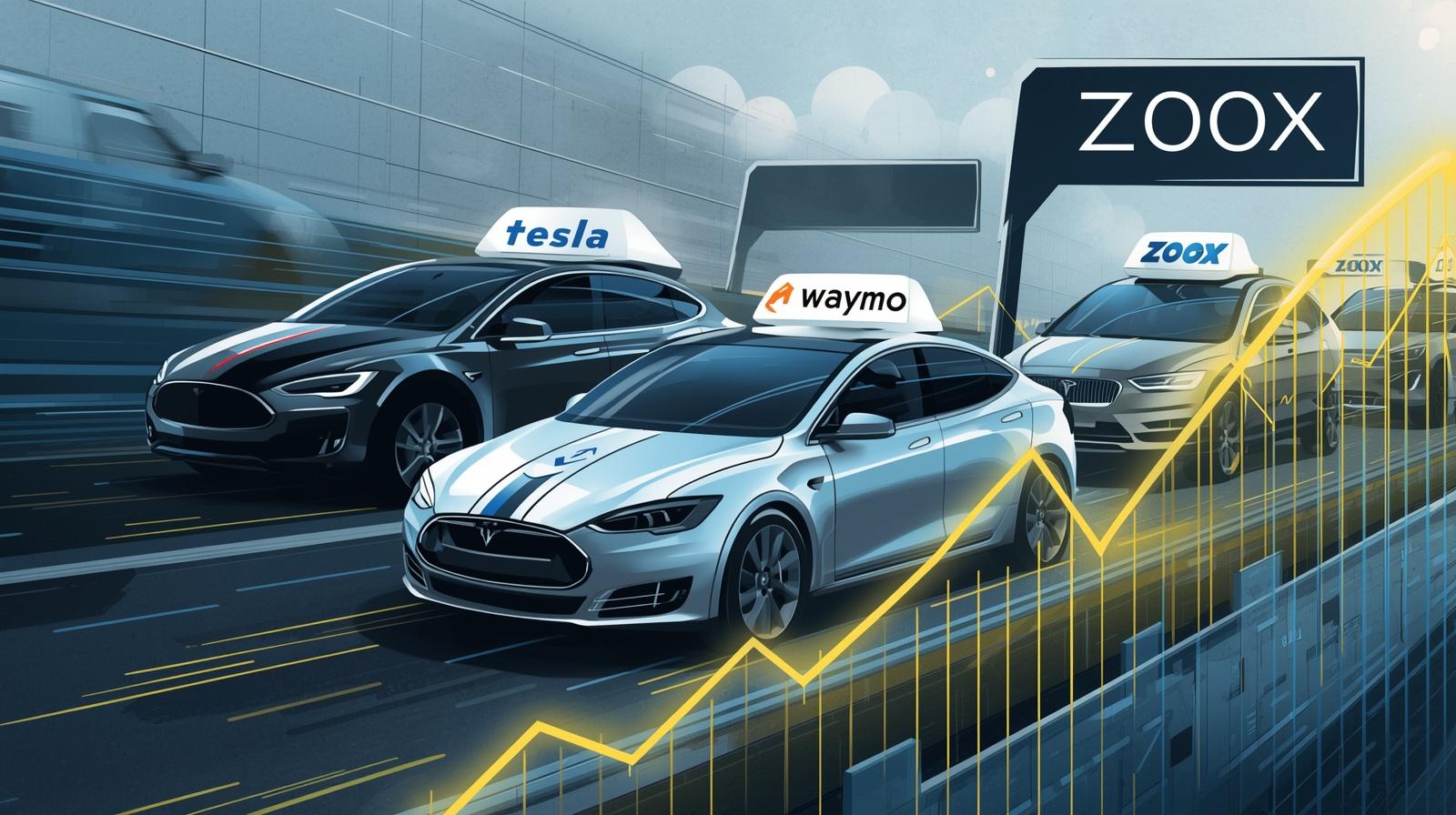
There's a price war happening in San Francisco right now that every US rideshare driver should understand. Tesla, Waymo, and Zoox are aggressively undercutting each other on autonomous ride pricing, and the fallout is going to hit human drivers harder than most people realize.
Here's what the data actually shows, and what it means for working drivers in 2026.
The Numbers That Matter
According to data from Obi, a rideshare pricing analytics company, here's where pricing stood in San Francisco for early 2026:
Tesla Robotaxi: $8.17 average per ride, $1.99 per kilometer Lyft Standard: $15.47 average per ride Uber X: $17.47 average per ride Waymo: $19.69 average per ride, $5.72 per kilometer
Tesla is undercutting everyone by roughly half. Even after a 41% price increase between January and April 2026, Tesla still averages about half of Waymo's price.
That is not normal pricing behavior. That is Silicon Valley playbook pricing. Buy market share with venture capital and unsustainable margins, drive competitors out, then raise prices later. Uber did the exact same thing to taxi services from 2012 to 2018.
Why This Matters for Human Drivers
Most coverage of this story focuses on the consumer angle. Cheap rides for passengers, who wins, what the future of urban transportation looks like.
The driver angle is different and uglier.
When Tesla offers $8 rides and Waymo offers $20 rides, the platforms that depend on human drivers (Uber and Lyft) have two choices:
Cut their own prices to compete, which means cutting driver pay
Hold prices steady and lose passengers to autonomous competitors
Both choices end the same way for human drivers. Either your per-ride pay drops, or your trip volume drops. Pick your poison.
Gridwise data already showed this happening in 2025. In AV-active markets (San Francisco, Los Angeles, Phoenix, Austin, Atlanta), human driver trips per hour declined nearly twice as fast as the national average. Earnings dropped in three of the five.
This is not a future problem. It is happening now in those five cities, and it is spreading.
Why Tesla's Pricing Is So Aggressive
Tesla can charge $1.99 per kilometer because of three structural advantages:
No lidar sensors. Tesla uses cameras only, which are dramatically cheaper than Waymo's sensor stack.
Vertical integration. Tesla makes its own vehicles, software, and chips, cutting out margin layers competitors pay for.
Manufacturing scale. Tesla has produced millions of cars; Waymo's fleet is in the thousands.
Elon Musk has publicly suggested Tesla's per-mile costs could eventually reach 20 cents per mile at full scale. For context, the IRS standard mileage deduction in 2026 is 72.5 cents per mile. If Tesla actually hits that 20-cent number, it can offer rides that no human driver can profitably match.
What Happens Next
The current state of robotaxi pricing is not sustainable. Tesla is burning money on every ride to capture market share. But the long-term direction is clear:
Robotaxi prices will keep falling as fleets scale Human-driver platforms will be pressured to cut their own prices Driver pay per ride will continue declining in AV markets Premium-tier rides (Uber Black, Lyft Lux) will be the last refuge of solid per-ride pay
If you drive in San Francisco, Austin, Phoenix, Atlanta, or LA, you are already living through the early version of this. If you drive somewhere else, you have a window of time to prepare before it hits your market.
The Survival Move
The only real defense against platform pricing pressure is income the platforms cannot control.
That means building direct client relationships. Hotel concierges who call you for guest transportation. Corporate accounts that book you for weekly airport runs. Wedding and event clients who book you weeks in advance. Repeat passengers who request you directly.
These clients pay you what you charge, not what Tesla decides to charge in San Francisco. They book through your phone, not through an algorithm. They are the part of your business that survives the robotaxi pricing war.
Tools designed specifically for this are starting to fill the gap. Platforms like RideShareGuides.com offer free digital business cards, driver IDs, and direct booking tools built specifically for US rideshare drivers who want to build a private client base alongside their app work. Drivers in AV-active markets are already using these tools to insulate themselves from the squeeze.
The robotaxi pricing war is not a future problem. It is a 2026 problem, hitting drivers in five US cities right now and spreading to more.
The platforms will adjust. Tesla will keep undercutting. Waymo will keep scaling. Uber and Lyft will keep optimizing humans out of the equation where they can.
Your job is to build the part of your business they cannot touch.
Drive smart, watch the pricing trends, and start building direct clients before your market becomes the next San Francisco.
Comments
Sign in to join the conversation
Sign In