NYC TLC License Guide 2026: Cost, Process, and Is It Worth It?
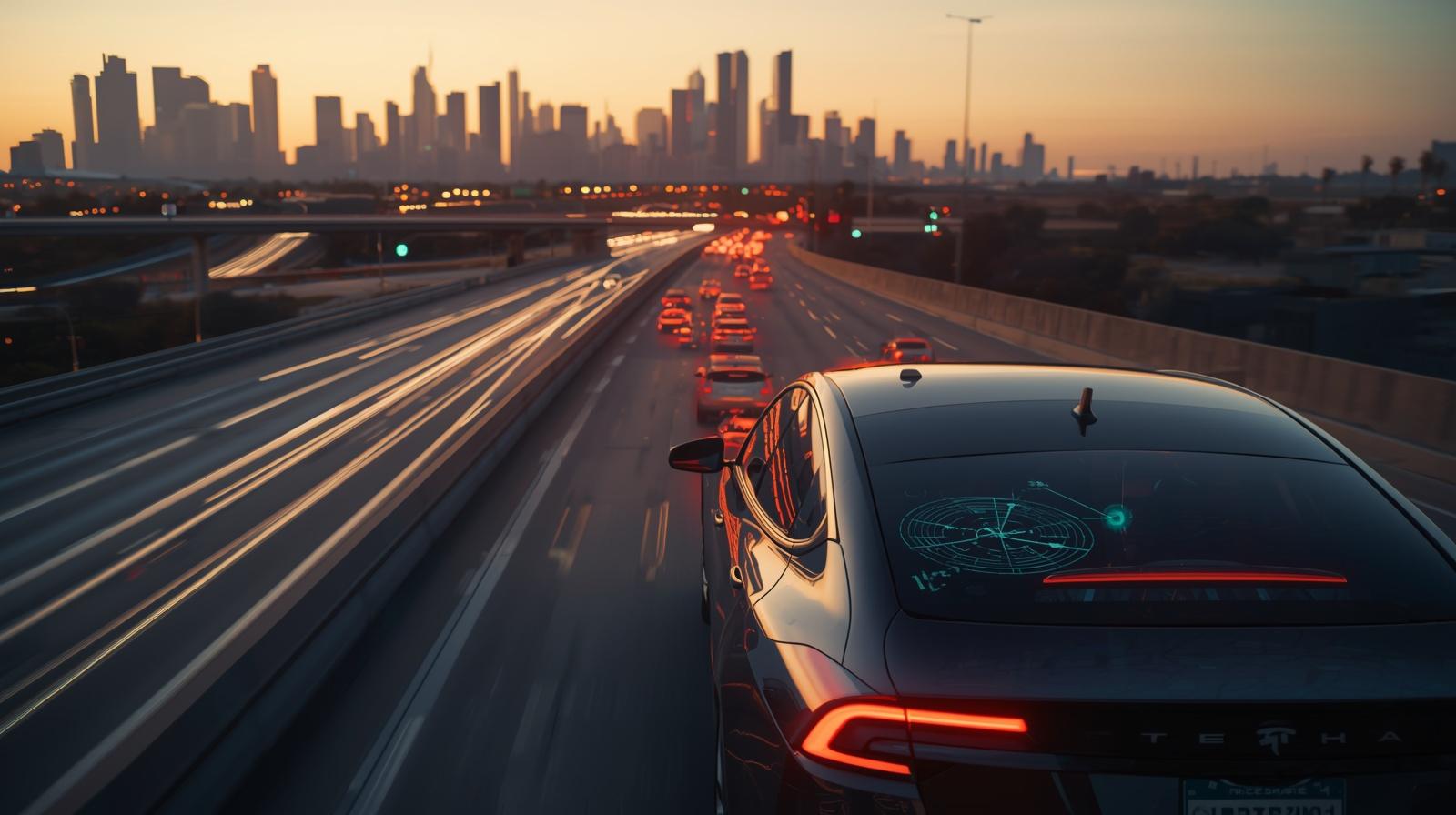
If you're thinking about driving Uber or Lyft in New York City and you've started doing the research, you've probably already hit the wall: you can't just download the Uber app like you would in Atlanta or Houston and start driving. NYC has its own rules, its own regulator (the Taxi and Limousine Commission), and its own license and it's genuinely complicated.
I've talked to a lot of NYC drivers over the past few years, both veterans who've had their TLC license since 2014 and newer drivers who've gotten in (or tried to) more recently. Some are doing great. Some regret it. The honest answer to "is it worth it in 2026" depends entirely on your situation, your patience, and what you already drive.
Let me walk you through the whole picture: what a TLC license actually is, what it really costs, the full process step-by-step, the brutal reality of the new vehicle plate cap, and a clear-eyed take on whether it's worth pursuing right now.
What Is a TLC License, Exactly?
The TLC license officially the TLC Driver's License is a city-issued credential that lets you legally pick up passengers for-hire anywhere in the five boroughs of New York City. If you want to drive for Uber, Lyft, Via, or any livery service that picks up passengers within NYC, you need it.
Here's the part most people don't realize: a TLC license is separate from your regular DMV driver's license. You need both. And it's separate from your vehicle's TLC plates which we'll get into, because that's where the real bottleneck lives in 2026.
The Real Cost: $600–$700+ Out of Pocket
The TLC's official application fee is $258, payable by card or e-check. But that's nowhere near your full out-of-pocket cost. By the time you actually have your license in hand, expect to spend between $600 and $700, sometimes more. Here's the realistic breakdown:
TLC application fee: $258 (3-year license)
24-hour TLC Driver Education Course: $175–$275 depending on school
TLC Driver License Exam (PSI): ~$75
Drug test (LabCorp): $35–$50
Fingerprinting via IdentoGO (service code 15425Y): ~$75
Defensive Driving Course (NY DMV-certified, 6 hours): $25–$45 online
WAV (Wheelchair Accessible Vehicle) course: Often included free with TLC course
Medical exam (Doctor's certification on TLC form): $50–$150 depending on provider
Class E driver's license upgrade (if needed): ~$80
Out-of-state ID verification (FS-6T, since October 2025): Free at any NY DMV, but adds time
Realistic total: $600–$750 for most applicants. More if you need extra exam attempts or the upgraded license.
Don't forget the time investment either most people take 6–12 weeks to complete everything, and you can't earn a single dollar until your license is approved.
The Application Process, Step by Step
Here's the order I'd recommend tackling this in. The TLC gives you 90 days from application submission to complete every requirement miss the window and you start over.
1. Submit your application via LARS (the TLC's online portal). Pay the $258. Save the receipt with your application number you'll need it constantly.
2. (Out-of-state applicants) Visit any NY DMV with the ID-5 form. Effective October 1, 2025, this is mandatory if you have an out-of-state license. The DMV verifies your identity and issues an FS-6T receipt that you upload to TLC UP. No appointment needed at the DMV.
3. Schedule and complete your drug test. Walk into any LabCorp or call (800) 923-2624. Bring your TLC application number. Results take about 3 days.
4. Get fingerprinted at IdentoGO. Use service code 15425Y when you book. Takes 15 minutes; results go directly to TLC.
5. Get your medical exam. Any NY-licensed doctor can do this bring the TLC's Medical Certification Form. Make sure they fill it out completely; the TLC rejects incomplete forms.
6. Complete the 6-hour Defensive Driving Course. Easy to do online, takes one afternoon, save the certificate.
7. Complete the 24-hour TLC Driver Education Course. This is the big one. Available at multiple TLC-approved schools across the city, in English, Arabic, Spanish, Mandarin, Bengali, Urdu, Russian, and more. The course covers NYC geography, customer service, defensive driving, ADA requirements, and TLC rules.
8. Pass the TLC Driver License exam at a PSI testing center. You'll get an email link to register after the course. Available in multiple languages. Bring two forms of ID.
9. Upload everything to the TLC Upload Portal (TLC UP). This is where most people get stuck — they upload the wrong document, or a blurry photo, and their application gets kicked back.
10. Wait for approval. Typically 2–4 weeks once everything is uploaded correctly.
The Big Problem: TLC Plates Are Effectively Frozen
Here's where things get rough, and this is the number one thing that catches new drivers off guard:
Since 2018, NYC has capped the total number of For-Hire Vehicle (FHV) licenses issued and that cap is still firmly in place in 2026. As of April 1, 2023, both Uber and Lyft stopped accepting new driver signups for standard vehicles in NYC. The TLC is currently issuing new vehicle licenses only for Wheelchair Accessible Vehicles (WAVs).
What that means in practice:
You can get a TLC driver's license — that part still works
But you can't slap TLC plates on a brand-new standard car you bought
Your only paths to actually driving in NYC are:
Renting a vehicle that already has TLC plates (from a TLC fleet or rental company)
Buying a used vehicle that already carries an active TLC plate
Plating a Wheelchair Accessible Vehicle (WAV) — this path is open
Buying an EV during the limited windows when TLC opens EV-only FHV licensing
Most new NYC drivers in 2026 end up renting from a TLC fleet at $425–$600 per week, or roughly $22,000–$31,000 per year in rental costs alone. Many drivers report rent has eaten so much of their income that they can barely break even.
What You Can Actually Earn in 2026
The good news: NYC has the strongest minimum pay protections for rideshare drivers in the country. Effective March 1, 2026:
Per-mile rate (non-WAV trips, in-city): $1.283
Per-minute rate: $0.681
WAV trip per-mile: $1.601
Out-of-town per-mile: $1.757 (non-WAV) / $2.193 (WAV)
Out-of-town per-minute: $0.725
For a typical 7.5-mile, 30-minute trip, the TLC's minimum pay standard guarantees you about $29.07 — about 26% more than when the rule was first adopted in 2019.
Even better: as of August 1, 2025, lockout protections went into effect. Uber and Lyft must give drivers at least 72 hours' notice before restricting app access, and you can't be locked out for at least 16 hours after your shift starts. This was a major win for drivers because both platforms had been using lockouts to artificially boost their utilization rates and reduce minimum pay obligations.
Real-world earnings for a full-time NYC TLC driver in 2026:
Gross weekly earnings: $1,500–$2,500
Weekly vehicle rental (if renting): $425–$600
Gas/charging: $200–$350
Insurance contribution (if owner): $100+
Net take-home: Usually $700–$1,200/week for renters, $1,000–$1,600/week for owners
Compare that to a non-TLC Uber driver in Atlanta or Houston grossing $1,000–$1,500/week with a paid-off Camry — the NYC numbers look bigger, but the costs are brutal.
Is It Actually Worth It in 2026? An Honest Take
Get the TLC license if:
You already own a TLC-plated vehicle or have access to one through family
You're committed to driving full-time and treating it like a real business
You can pass the application without extra retakes (saves money)
You're planning to drive for a TLC fleet anyway and you'd rather be on the platform than just rent a car
You can buy/lease a Wheelchair Accessible Vehicle and qualify for plates that way
Skip it if:
You only want to drive part-time or as a side hustle (the math doesn't work)
You don't already have a vehicle with active TLC plates and you can't afford rentals
You're hoping to use your personal car you already own - you can't, unless it's already plated
You live in the suburbs and would commute into the city to drive (huge time cost, parking nightmares)
You're not sure you'll stick with it long enough to recoup the $700+ in upfront costs
Tips From Experienced TLC Drivers
A few things veteran NYC drivers consistently say:
Vehicle ownership beats renting long-term - if you can find a used TLC-plated vehicle for sale, you'll keep way more of your earnings
Keep impeccable records - the TLC checks compliance constantly, and one missed insurance lapse can suspend your license
Insurance shopping matters - TLC commercial insurance varies wildly between brokers; get at least 3 quotes
The Black Car Fund benefits are real - paid sick leave, workers comp, and other coverage you might not realize you qualify for
Network with other drivers -NYC TLC drivers swap tips on which fleets are honest, which insurance brokers actually pick up the phone, which neighborhoods to avoid at night, and which inspection locations have the shortest waits. Communities like RideShareGuides.com have whole forums where TLC drivers share this stuff in real time, which can save you weeks of trial and error.
The Bottom Line
A TLC license is still a real opportunity in 2026, but it's a much narrower opportunity than it was five years ago. The driver license itself is achievable for most people who put in the time and money. The bottleneck is the vehicle without a TLC-plated car, you're either renting at high cost or buying into the WAV pathway, which has its own learning curve.
If you're committed, capitalized, and ready to treat this like a real business from day one, the TLC license can absolutely be worth the investment. If you're hoping for a quick side hustle, this isn't the right path — drive in New Jersey, Long Island, or Connecticut instead and save yourself the headache.
Plan smart, do the math on your actual costs, and go in with your eyes open.
This guide is general information for prospective NYC rideshare drivers based on current TLC rules and 2026 fee schedules. Costs and requirements can change always verify the latest at nyc.gov/tlc and confirm specific details with the TLC before paying any fees.
Comments
Sign in to join the conversation
Sign In