NYC Rideshare Mastery: Rules, Routes, and Strategies for Peak Earnings in 2026
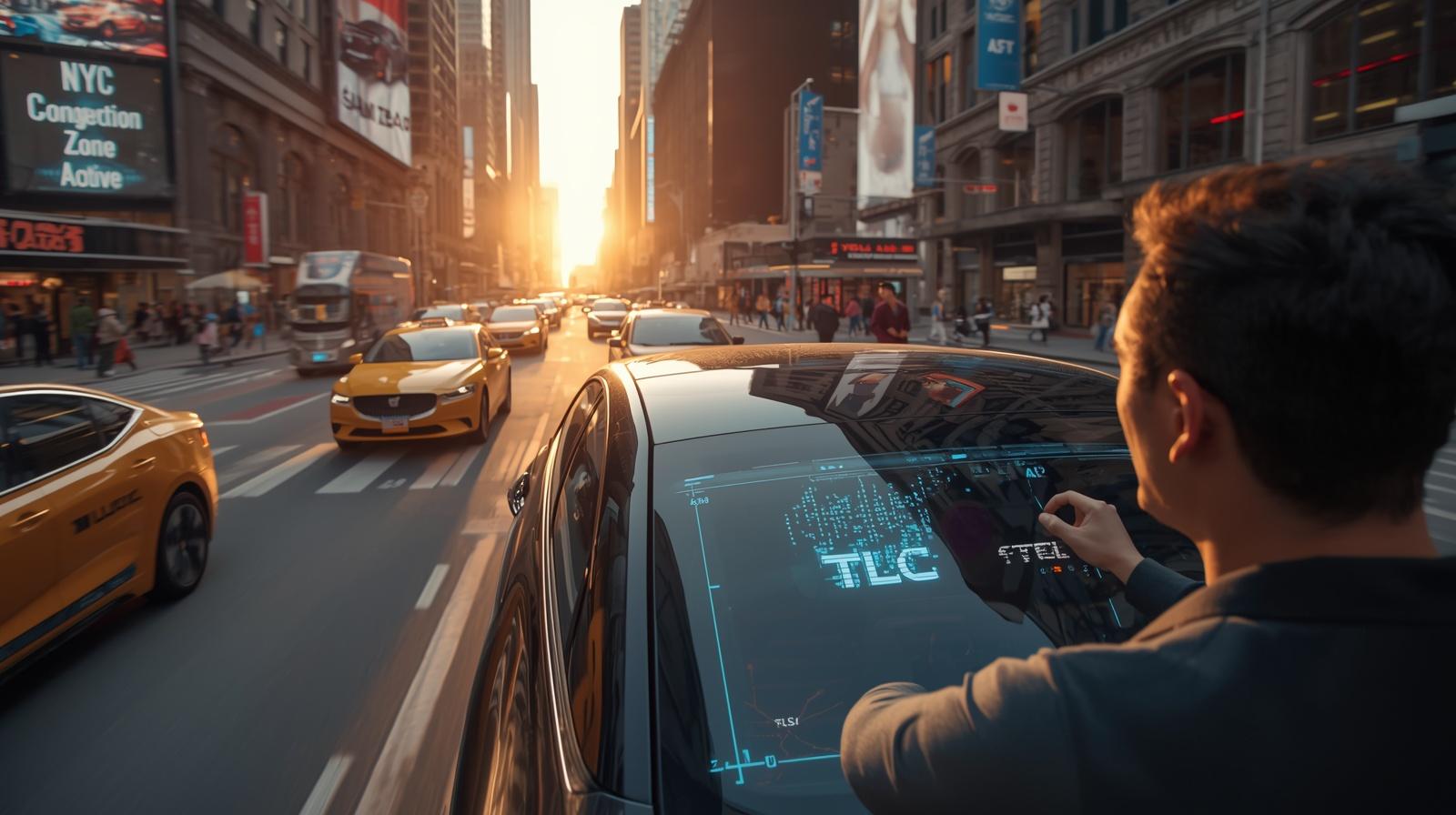
New York City has always been the ultimate proving ground for rideshare drivers. But as of March 2026, the "Big Apple" is playing by a new set of rules. Between the fully implemented Manhattan Congestion Relief Zone, updated TLC minimum pay rates, and the aggressive "Green Rides" initiative, driving in NYC today requires more than just a GPS—it requires a tactical blueprint.
Whether you’re a veteran with a TLC plate or a newcomer looking to lease your first EV, here is the definitive guide to mastering NYC’s streets and maximizing your take-home pay this year.
1. The 2026 Rulebook: What’s Changed?
Navigating the Taxi and Limousine Commission (TLC) regulations is your first step toward profitability.
New Minimum Pay Rates: Effective March 1, 2026, the TLC has increased minimum pay rates by 3.36%. For standard trips, you are now locked into a minimum of $1.283 per mile and $0.681 per minute.
The WAV Advantage: If you drive a Wheelchair Accessible Vehicle (WAV), your mileage rate jumps to $1.601 per mile. In 2026, many drivers are switching to WAVs not just for the higher rate, but for the priority dispatching during peak hours.
Congestion Relief Zone (CRZ) Fees: The tolling for Manhattan south of 60th Street is now a permanent fixture. For high-volume drivers (Uber/Lyft), there is a $1.50 per-trip surcharge for any ride that starts, ends, or passes through the zone.
Mastery Tip: Remember that these tolls are passed to the rider, but they have shifted passenger behavior. Short "hop" trips within the CRZ have declined, while longer trips into the outer boroughs remain robust.
2. High-Profit Routes: Where to Be and When
In 2026, "chasing the surge" is a losing game. Instead, position yourself in high-demand corridors where the "engaged time" (time with a passenger) is highest.
The "Inter-Borough" Express
With Manhattan traffic slowed by congestion pricing, the real money is in Brooklyn-to-Queens and Bronx-to-Manhattan commutes.
Morning Rush (6 AM – 10 AM): Focus on residential hubs like Astoria, Bushwick, and the Grand Concourse. These riders are heading toward the Financial District or Midtown and are willing to pay the CRZ surcharge for a reliable commute.
The "Reverse" Commute: In the evenings, hang back near the Tech Hubs in Chelsea and Hudson Yards.
Airport Strategy: JFK vs. LaGuardia
JFK International: Still the king of the long-haul fare. In 2026, look for "Rematch" opportunities. If you drop off at Terminal 4, the algorithm prioritizes you for a pickup, saving you from the "Cell Phone Lot" wait.
LGA: With the 2026 construction updates finished, LGA is faster than ever. Focus on midday flights when business travelers are heading to Midtown hotels.
3. The Green Rides Initiative: Staying Compliant
By 2026, the TLC’s Green Rides mandate is in full swing.
EV Charging Strategy: Don't get caught with a dead battery in the Midtown Tunnel. Use the expanded fast-charging hubs in Long Island City and near JFK.
Incentives: Check your app for the "Zero Emission" bonuses. Many drivers are seeing an extra $1–$2 per trip simply for operating a non-combustion vehicle.
4. Pro-Level Efficiency Tips
Mind the 60-Hour Rule: NYC still strictly enforces the limit of 60 hours of passenger time in any 7-day period. Use a third-party tracker to ensure you don't get locked out of the app on a high-earning Sunday.
Decal Compliance: Ensure your cyclist awareness and Vision Zero stickers are visible. In 2026, TLC enforcement has increased "stationary inspections" near major transit hubs. A missing sticker can result in a $100+ fine that wipes out your morning's work.
The "Stay-Out-Of-The-Lane" Rule: Automated camera enforcement for bus and bike lanes is everywhere. One "quick" drop-off in a bus lane can cost you $50. Always pull into a designated "FHV Loading Zone" or a legal hydrant-free space.
The Bottom Line
NYC in 2026 rewards the informed driver. By leveraging the 3.36% pay increase, staying "Green" to capture bonuses, and focusing on inter-borough routes that avoid the worst of the Manhattan gridlock, you can comfortably out-earn the average driver.
Comments
Sign in to join the conversation
Sign In