How to Get Repeat Customers as an Uber Driver (Without Breaking Platform Rules)
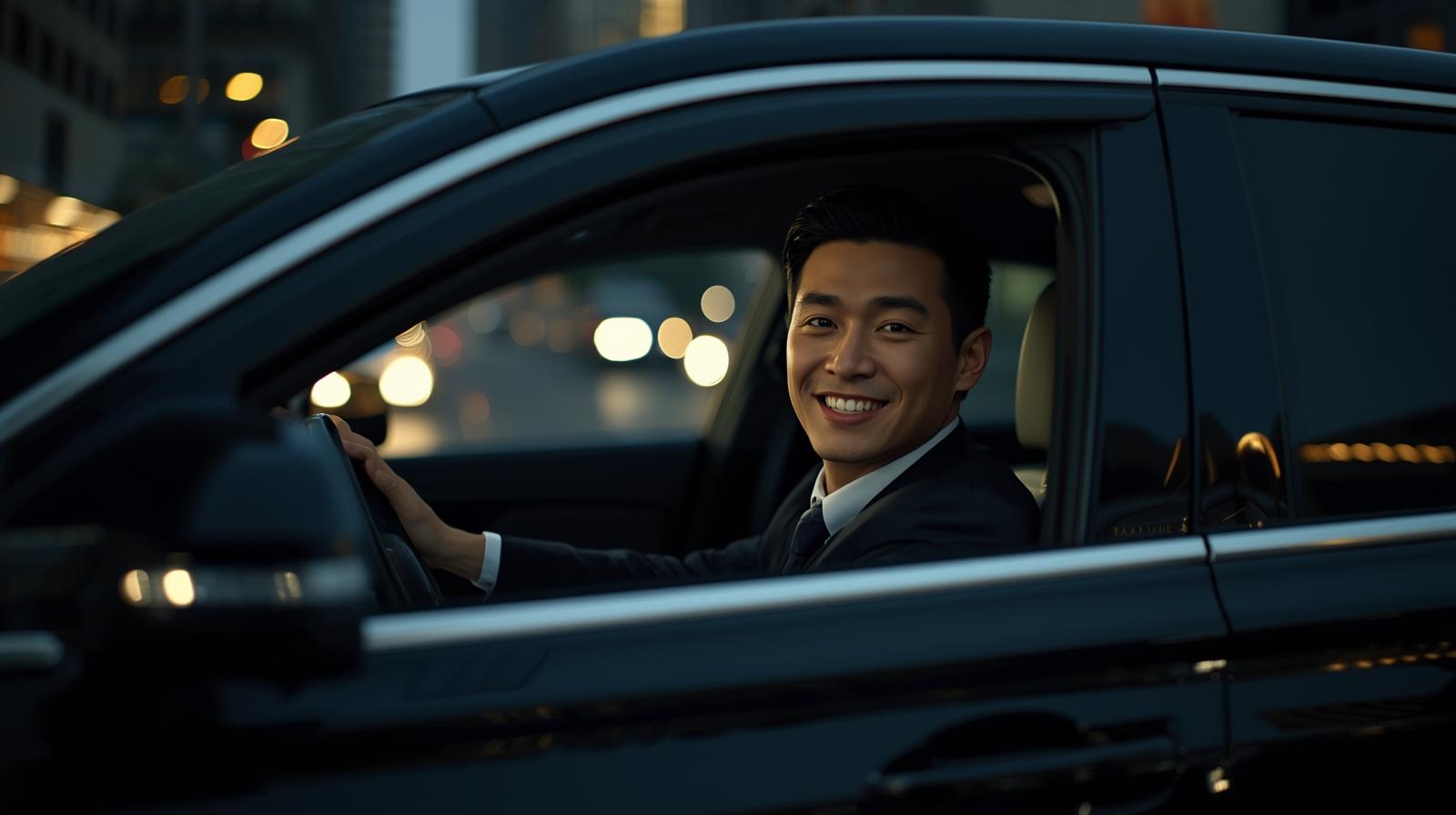
About three years into driving rideshare full-time, I had a realization that changed how I worked: the riders I made the most money from weren't the ones who tipped well on a single trip. They were the ones who ended up booking me again and again for airport runs, weekly grocery trips, the same 6:00 AM commute every weekday and over time were paying me real money outside the unpredictable swings of surge.
Repeat customers are the unspoken endgame for any driver who's serious about turning rideshare into a sustainable business. The drivers I know who've been at this for 5+ years the ones not burned out almost all have a personal client base that supplements their app earnings.
But here's where it gets tricky: Uber and Lyft both explicitly prohibit certain forms of solicitation. You can't accept off-platform pickups while you're using their app. You can't ask a rider to pay you in cash outside the system. You can't text or call a rider after the trip ends (unless it's about a lost item). Cross those lines and you can lose your account permanently.
So how do you actually build a repeat customer base without putting your account at risk? That's exactly what this post is about. Real strategies that work, all of them within the rules.
First, Understand What's Actually Prohibited
Before we get into tactics, let's get clear on the lines you cannot cross. Uber's Community Guidelines are very specific:
No off-platform pickups while you're on the app. If your app is on, every ride must come through the platform. Period.
No soliciting payment outside the Uber Marketplace. Don't ask riders to Venmo you for a ride.
No unwanted post-trip contact. Texting, calling, or messaging a rider after the trip is complete (other than to return a lost item) violates the guidelines.
No use of Uber's branding. Don't make business cards with Uber's logo or trademarks.
Don't accept "street hails." Local laws prohibit them in most cities anyway.
Lyft's rules are virtually identical. The penalty for violating them is account deactivation — sometimes permanent — and that's not a risk worth taking.
The good news: none of those rules prohibit a passenger from contacting you on their own, and none of them prohibit you from being so good at your job that they want to.
That distinction is everything.
The Mindset Shift: Be the Driver They Remember
Here's the honest truth most rideshare trips are completely forgettable for passengers. They get in, they get out, they barely look up from their phone. If you're going to build repeat customers, you have to be in the small percentage of drivers who actually stand out.
This isn't about being chatty or invading their space. It's about being so professional and so dialed-in that when they need a ride to the airport at 4:00 AM next month, your name is the one that comes to mind.
Some specific things the top earners I know consistently do:
A clean car, every shift, every time. Vacuumed seats, wiped dashboard, no odors. People notice this within 5 seconds of getting in.
A small "comfort kit" passengers actually use a phone charger cable for both iPhone and Android, mints, a tissue box. Nothing fancy.
Climate control already set before they get in. AC blasting in summer, heat warming up in winter.
Greet them by their name from the app, then back off if they're not chatty. Read the room.
Music at low volume on a station they'd actually like not your hardcore grindcore at 7 AM.
Smooth driving. No hard braking, no aggressive lane changes. Passengers who don't get carsick remember you.
Ask before changing routes. There's a faster way through downtown if you're okay with toll, otherwise I'll stick to the freeway what do you prefer?
These details cost you nothing but turn forgettable rides into memorable ones. Every single one is fully within Uber and Lyft's rules.
The Single Biggest Move: A Digital Business Card
Here's where strategy meets technology. The most effective tool I've seen for building a personal client base entirely within platform rules is a digital business card.
A digital business card is just a single web link, often a QR code, that contains your contact info, your service offerings (airport runs, scheduled pickups, hourly hire, etc.), and a way for someone to reach out to you directly. The trick is how you use it.
You don't hand them out unsolicited. You don't push them on every passenger. You don't break Uber's rules. Instead:
->A passenger says, "Wow, I wish I could book you specifically next time."
->A passenger asks if you do airport runs, hourly hire, or recurring pickups.
->A regular at a hotel or office building asks if there's a way to reach you directly.
->A small business owner says they need a reliable driver for a corporate client.
In any of those moments, you have a professional digital card you can share. The passenger initiated it. You're not soliciting. You're responding to a request. That's a critical legal and platform distinction.
Why digital and not paper? Two reasons:
Cost. Paper cards cost $30 for 100 and end up in the trash. A digital card is essentially free and you can update it anytime.
Compliance. A digital card with no Uber or Lyft branding on it makes you look like the independent business you actually are which you legally are, as a 1099 contractor.
There are tools specifically built for this. Platforms like RideShareGuides.com offer free digital business cards designed specifically for US rideshare drivers, plus a Personal Driver ID, a directory where past riders can find you, and a way to take direct bookings outside of the apps. The whole point is to give drivers a clean, compliant way to build their own client base alongside their app work exactly what we're talking about here.
Other Compliant Strategies That Work
Beyond digital cards, here's what successful drivers I know are actually doing:
1. Be the airport guy. Park in the rideshare lot at your local airport every morning between 5 AM and 8 AM. Same time, same spot. Become a recognized regular. Frequent flyers especially business travelers — start requesting you specifically through the platform if they see your name come up. Some will ask you for direct booking info; that's the moment your digital card matters.
2. Get on hotel and concierge lists. Hotels constantly need reliable drivers for guests, and many concierges keep informal lists. Drop in during slow afternoons, professional dressed, ask the concierge what their guests typically need. Don't pitch hard. Just be on their radar.
3. Specialize in a niche. Wedding transportation, prom nights, medical appointments, school pickups, corporate accounts. Niches reduce competition. A driver who specializes in non-emergency medical transport with a clean SUV and CPR training will get repeat bookings constantly directly, off-platform, totally legitimate as a small transportation business.
4. Ask for the rating, never the contact. End every trip with: "If you've enjoyed the ride, a 5-star rating means a lot." High ratings keep you in higher-quality dispatch tiers, which leads to higher-paying riders, which leads to better repeat opportunities.
5. Be active on local networks. Facebook groups for your city, Nextdoor, even local LinkedIn groups for small business owners. Don't spam. Actually be helpful in those communities. When someone asks, "Does anyone know a reliable driver?" your name should come up because you've been a useful presence, not because you've been advertising.
6. Set up a simple website or Google Business Profile. As a 1099 contractor, you're a business. Act like one. A simple "John Smith Premium Transportation" Google Business Profile with photos of your clean car and a phone number gives potential repeat clients a way to find you when they search.
The Long Game: Why This Matters
Here's why every full-time driver I respect is doing some version of this in 2026:
Platform pay keeps changing. Rates fluctuate, surge zones shrink, lockouts happen. Direct clients pay you a consistent rate that doesn't change at the whim of an algorithm.
Account deactivations are real. I know multiple drivers with 4.99 ratings who've been deactivated for nonsense reasons. Direct clients aren't subject to Uber's algorithm.
Tips are unpredictable. A regular client might tip $20 every Friday morning. An app rider might never tip at all.
It's the only path to actually owning a business. As long as you're 100% dependent on Uber, you don't have a business you have a job that can be ended via email.
The drivers who treat this like a real business who track their miles, file their taxes properly, carry the right insurance, and slowly build a personal client base alongside their app work are the ones still around in 5 and 10 years. The ones who treat it as a quick gig are typically gone within 18 months.
A Final Note
Don't quit the apps. Don't try to convert every passenger into a private client. Don't break the rules for short-term gains.
Just be the driver people remember, have a compliant way to follow up when they ask, and let your private book of business grow naturally. Five repeat clients booking you weekly is the difference between an exhausting full-time grind and a sustainable career.
Drive smart, stay within the rules, and build the business under the business.
This guide is general information for US rideshare drivers based on current Uber and Lyft community guidelines. Platform rules can change always review the latest guidelines on Uber's and Lyft's official websites before adjusting your strategy.
Comments
Sign in to join the conversation
Sign In