Fuel Saving Tips for Uber & Grab Drivers : Earn More in 2026
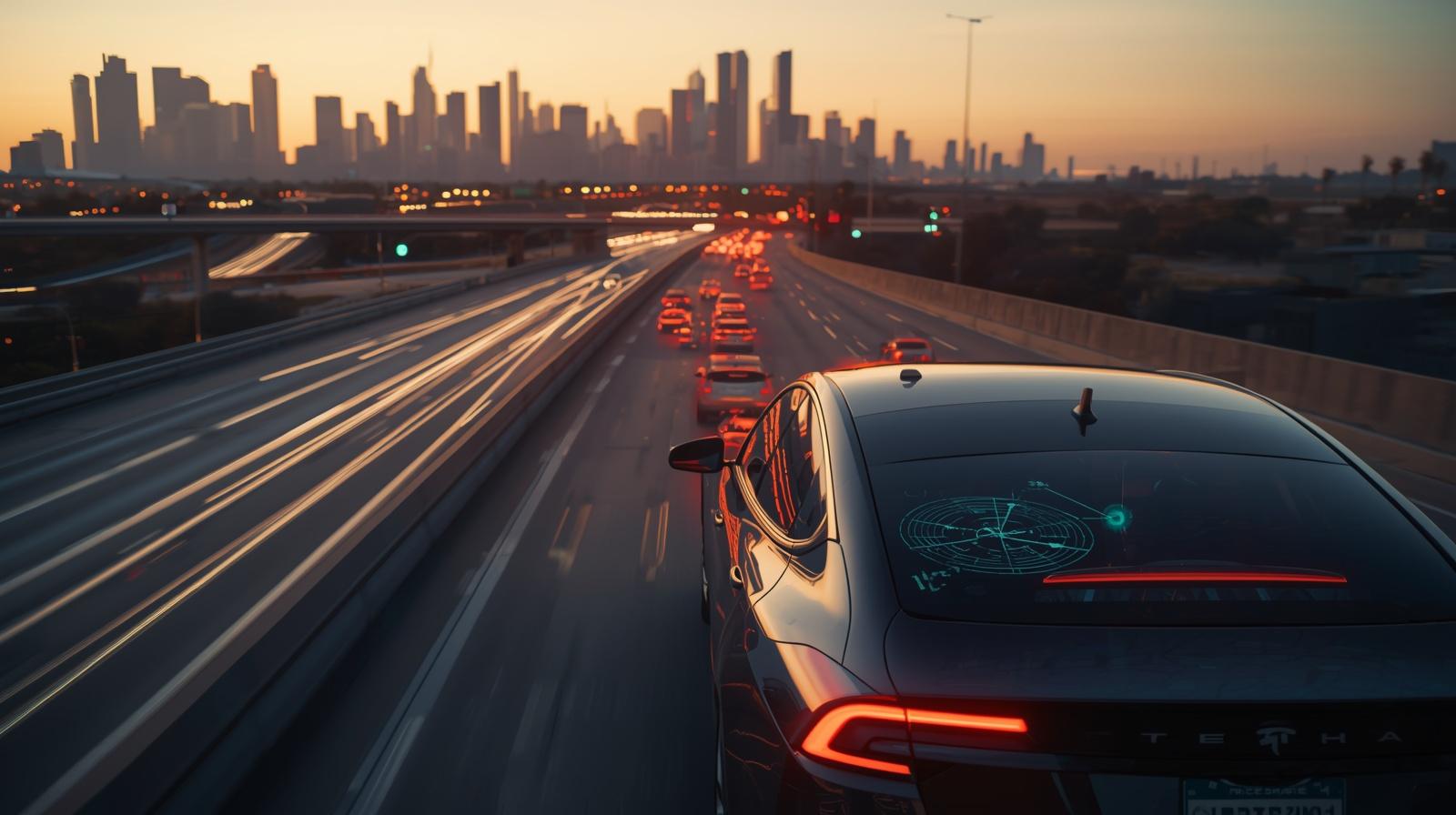
You're clocking 10, 12, maybe 14 hours a day on the road. Fuel is eating into your earnings before you even count platform fees. The good news? Small changes behind the wheel can save you thousands per year that driving a single extra kilometre.
Here's the no fluff fuel and money guide built specifically for Uber, Grab, and ride hailing drivers in 2026.
Why Fuel Is Your Biggest Hidden Cost
Most ride-hailing drivers focus on trip count and surge pricing. But fuel cost is the silent killer of daily earnings. If you're spending 30–40% of your gross income on fuel, you're essentially working for your petrol station.
The average full-time ride-hailing driver covers 200–300 km per day. Even a 10% improvement in fuel efficiency puts real money back in your pocket in every single day.
1. Master Smooth Driving ;Your Single Biggest Fuel Lever
Hard acceleration and late braking are the two most expensive habits a driver can have. Every time you punch the accelerator from a stop or slam the brakes at a red light, you're burning fuel you already paid for.
What to do instead:
Accelerate gently and build speed gradually
Look ahead and lift your foot early to coast toward stops
Use engine braking on downhills instead of riding the brake
Studies consistently show that smooth driving improves fuel economy by 15–20%. For a driver doing 250 km a day, that's significant savings per week.
2. Turn Off the Engine — Stop Paying to Sit Still
Waiting for a ping? Parked outside a mall or airport? Your idling engine burns fuel at roughly 0.5–1 litre per hour / for zero kilometres travelled.
In 2026, most ride-hailing hot zones have designated driver waiting areas. Use them, turn off the engine, and only start up when you get a request. If you're waiting more than 90 seconds, engine off is always the better call.
3. Tyre Pressure Is Free Money
Under-inflated tyres are one of the most overlooked fuel wasters on the road. Tyres that are even 5 PSI below the recommended pressure can increase fuel consumption by 2–3%.
Check your tyre pressure at least once a week and also u know every petrol station has a free air pump. It takes three minutes and costs nothing. Keep them at the manufacturer's recommended level (usually printed inside the driver's door frame).
4. Use Your App's Driver Tools Smarter
Both Uber and Grab now offer in-app fuel tracking, earnings breakdowns, and efficiency scores in their driver dashboards. Most drivers ignores one thing which is a mistake.
Check your weekly earnings report and calculate your actual cost-per-kilometre. If it's creeping up, your driving habits or tyre condition are likely the cause. Set a personal target and track it weekly.
Also use destination filters at the end of your shift to take trips that head toward home — cutting your deadhead (empty) kilometres is free savings.
5. Time Your Fuel Stops Like a Pro
Fuel prices fluctuate by day and by hour in most cities. In general:
Tuesday and Wednesday mornings tend to have lower pump prices
Avoid filling up on Thursday evening through the weekend when prices spike
Use GasBuddy, Fuelmapper, or your local equivalent app to find the cheapest nearby station before you need to fill up
Never fill up when you're nearly empty and desperate so that's when you pay whatever price is on the board.
6. Go Hybrid or EV : The Maths Now Work
In 2026, the total cost of running a hybrid for ride-hailing is measurably lower than a petrol-only car for most drivers doing high daily kilometres. The higher upfront cost pays itself back faster the more you drive.
For drivers on platforms that support EV incentives (Grab Green, Uber Green tiers), switching to electric or hybrid also unlocks access to priority rides and higher fare categories in some markets meaning more income on top of lower running costs.
If you're not ready to switch, at minimum look at a fuel-efficient petrol car with a 5-star fuel economy rating the next time you upgrade.
7. Maintain Your Car : Neglect Costs More Than Servicing
A dirty air filter can increase fuel consumption by up to 10%. Worn spark plugs, low engine oil, and a clogged fuel injector all quietly drain your efficiency. Ride-hailing drivers typically cover 3–4 times more kilometres than the average car owner : which means your service intervals need to come around much faster too.
Basic maintenance checklist every month:
Engine oil level and colour
Air filter (replace every 15,000–20,000 km)
Tyre pressure and tread depth
Coolant level
Brake pads
A well-maintained car earns you more and costs you less full stop.
8. Track Everything : What Gets Measured Gets Improved
The drivers earning the most in 2026 are not necessarily the ones working the longest hours. They're the ones who know their numbers.
Keep a simple weekly log:
Total kilometres driven
Total fuel spent
Total gross earnings
Net earnings after fuel and fees
Your goal: push your net-per-kilometre number up every week. Once you see it as a ratio, you'll naturally start making smarter decisions about when to drive, where to wait, and how to accelerate.
Key Numbers to Keep in Mind
15–20% : fuel savings possible from smooth acceleration and braking alone
2–3% : extra fuel burned per 5 PSI of under-inflation in your tyres
0.5–1 litre per hour — what your engine burns sitting idle
10% : fuel economy loss from a dirty or clogged air filter
The Bottom Line
You can't control surge pricing, platform fees, or traffic. But you can control how you drive, how you maintain your car, and how smartly you spend on fuel. For a full-time ride-hailing driver, getting these basics right is worth hundreds sometimes thousands of dollars per year.
Drive smarter, not just harder.
Comments
Sign in to join the conversation
Sign In