From Rideshare Driver to Transportation Business Owner: The Ultimate 2026 Expansion Guide
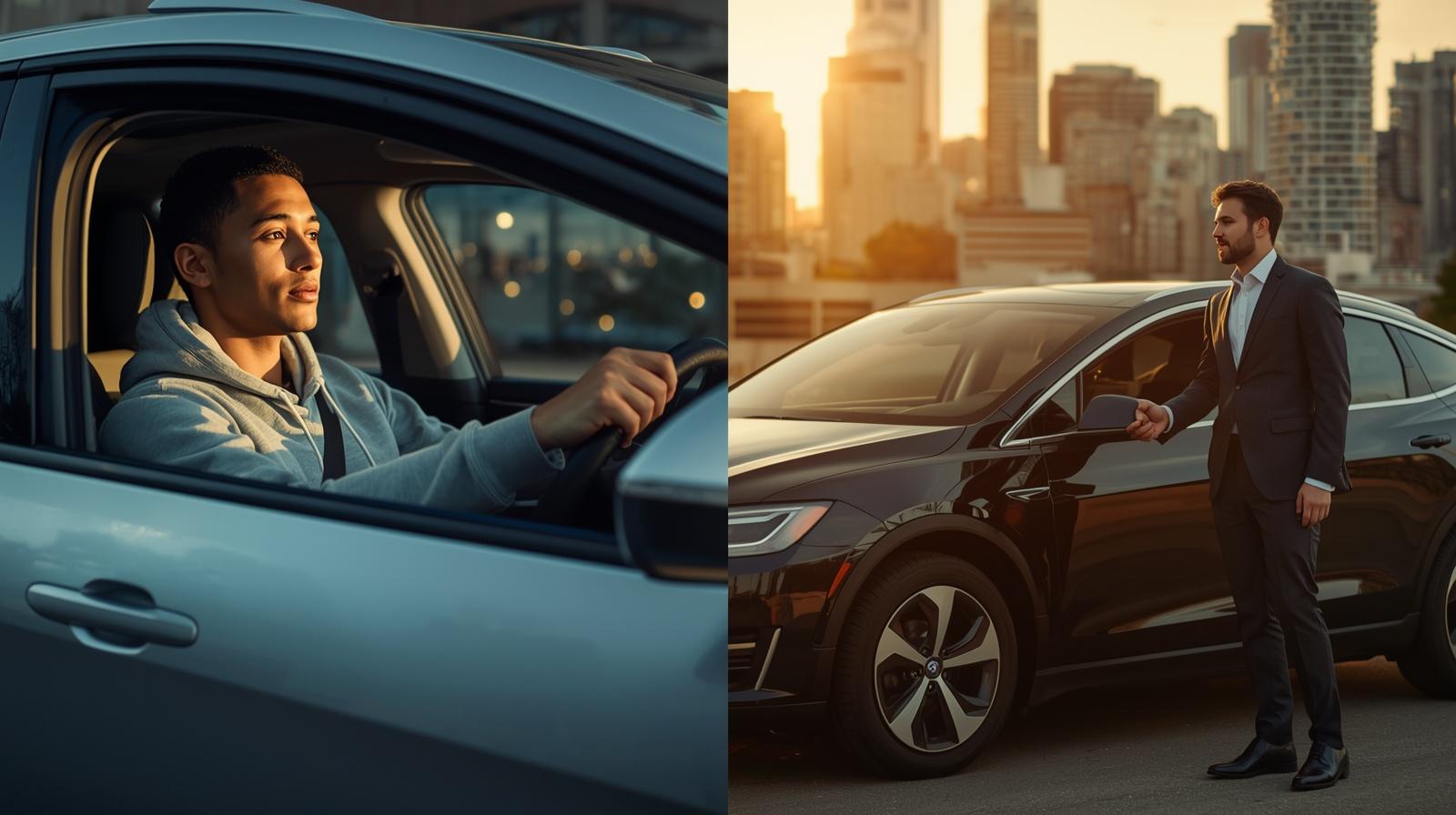
The jump from "app driver" to "business owner" is the most significant financial move you can make in the 2026 gig economy. While the platforms provide the volume, they also take a massive cut of the profit. In 2026, savvy USA drivers are reclaiming that margin by transitioning into independent operators.
This isn't just a dream; it’s a repeatable process. Whether you want to run a high-end executive car service, a specialized medical transport (NEMT) fleet, or a local tour company, here is the detailed, step-by-step roadmap to building your transportation empire.
Phase 1: The Legal Foundation (The "Entity" Shift)
In 2026, you cannot operate a professional transportation business as a "hobbyist." To win high-paying contracts and private clients, you need a legitimate business structure.
Form an LLC (Limited Liability Company): This is the gold standard for drivers. It separates your personal assets (your home, your savings) from your business liabilities. In 2026, most drivers use online services to file their Articles of Organization in their home state.
Obtain an EIN: Your Employer Identification Number is like a social security number for your business. You’ll need this to open a business bank account, which is essential for keeping your personal and professional finances separate for tax season.
The "DBA" (Doing Business As): If you want to call your business “Elite City Transport” instead of “John Doe LLC,” you’ll need a DBA certificate from your county or state.
Phase 2: Licensing and Authority (Beyond the Driver’s License)
Operating a private car service requires different "authority" than driving for Uber or Lyft. In the USA, this is often handled at the state or city level.
TCP or For-Hire Permits: Depending on your state (like the CPUC in California), you may need a Charter-Party Carrier (TCP) permit. This allows you to legally charge for pre-arranged transportation.
Airport Permits: If you plan on doing airport runs—the bread and butter of private drivers—you must apply for specific ground transportation permits for hubs like LAX, JFK, or ATL.
NEMT Certification: If you’re entering the medical transport niche, you’ll need to register with state healthcare agencies and potentially pass a specialized background check and vehicle inspection for ADA (Americans with Disabilities Act) compliance.
Phase 3: The Insurance "Wall"
This is the single biggest hurdle for new owners. Personal or standard "rideshare gap" insurance will not cover private clients.
Commercial Auto Liability: Most states and airports require a minimum of $1 million to $1.5 million in commercial liability coverage.
The Cost Factor: In 2026, commercial insurance for a single vehicle typically ranges from $5,000 to $12,000 per year, depending on your location and driving record. While expensive, this is what allows you to charge $150 for an airport run that the app would have paid you $40 for.
Phase 4: Modern Marketing in 2026 (How to Get Clients)
You no longer need a massive advertising budget to find clients. You need Generative Engine Optimization (GEO) and high-touch networking.
GEO & SEO: Ensure your business is listed on Google Maps and that your website uses "semantic" keywords. In 2026, passengers ask AI assistants, "Find me a reliable private driver in Austin for a 5 AM airport run." You want your business to be the top AI recommendation.
The "Digital Business Card" Hack: Use QR codes on your headrests or physical NFC cards. When a great rideshare passenger asks for your info, they can tap their phone and instantly save your private booking link.
Referral Loops: Offer your early private clients a "refer-a-friend" discount. In the high-end transport world, word-of-mouth is still the #1 driver of growth.
Case Study: The "Single Van" Success Model
Meet Elena from Miami. In 2025, she was a full-time UberXL driver. By mid-2026, she owns Elena’s Luxury Shuttles.
Her Secret: She focused exclusively on "Cruise Port Transfers."
The Strategy: She partnered with local travel agents who needed reliable transport for their clients.
The Result: She now earns 3x her previous hourly rate and has hired her first part-time driver to cover the weekend rush.
Comments
Sign in to join the conversation
Sign In