Florida SB 632: What Every Uber and Lyft Driver Needs to Know About the Insurance Bill That Died in 2026
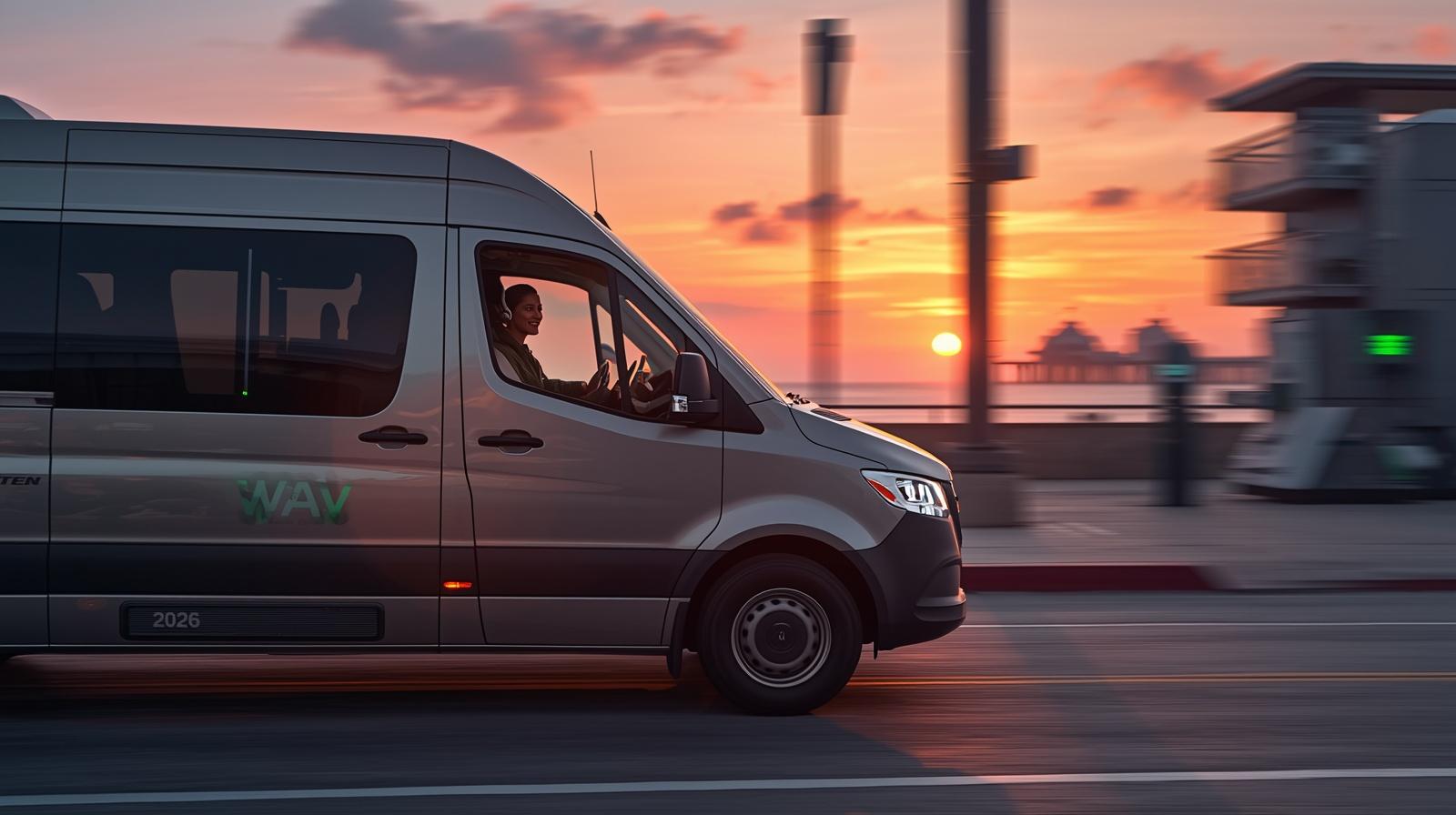
If you drive Uber or Lyft anywhere in Florida like Miami, Tampa, Orlando, Jacksonville, Fort Lauderdale, the Panhandle — there's been a major insurance fight playing out in Tallahassee that affects you directly, and almost nobody is talking about it from the driver's perspective.
The bill is Florida Senate Bill 632. It was introduced in November 2025 by St. Petersburg Republican Sen. Nick DiCeglie. It would have lowered rideshare driver insurance requirements during a specific window of every trip. It passed its first Senate committee in February 2026 on a 6-3 vote. It then died in the Transportation Committee on March 13, 2026 — meaning the change did not happen. Florida law as it relates to your rideshare insurance is exactly the same in May 2026 as it was in 2017.
But the story isn't over. The bill being killed doesn't mean similar legislation won't return next year, and as a working Florida driver, you should understand what was being proposed, why it died, what the law currently actually requires, and what the political fight ahead looks like. This post is the driver's-eye view that the law firm articles don't give you.
The Background: Florida Statute 627.748
Florida's rideshare insurance framework has been settled law since 2017. The core statute is Florida Statute 627.748, which divides every rideshare driver's activity into three phases — and assigns different insurance requirements to each.
Phase 1: App on, no ride accepted. You're online, parked at a Walmart or driving toward the airport queue, but you haven't accepted a passenger yet. Coverage required:
$50,000 bodily injury per person
$100,000 bodily injury per accident
$25,000 property damage liability
Plus PIP and UM/UIM at Florida minimums
Phase 2: Ride accepted, heading to pickup. You've accepted a request and you're driving to get the passenger. Currently required:
$1 million in liability coverage for death, bodily injury, and property damage
PIP at limousine-level minimums
Contingent collision/comprehensive
Phase 3: Passenger in the vehicle. Same $1 million coverage as Phase 2, plus the passenger is now along for the ride.
This three-phase framework has been Florida law for nearly a decade and was originally a compromise hammered out in 2017 between insurers, trial lawyers, and the rideshare companies. For drivers, it's worked well — when you're rushing to a pickup at 9:00 PM on a Friday in downtown Tampa, you're carrying serious coverage if something goes wrong.
What SB 632 Would Have Changed
Sen. DiCeglie's bill specifically targeted Phase 2 — the "in-between" window after you accept a ride but before the passenger gets in your car.
Under SB 632, instead of the $1 million coverage requirement during Phase 2, drivers would have been required to carry only:
$50,000 bodily injury per person
$100,000 bodily injury per accident
$25,000 property damage liability
Plus PIP at Florida minimums and UM/UIM coverage
In other words — the same lower-tier coverage that currently applies during Phase 1 would have extended to Phase 2 as well.
The $1 million coverage would only have kicked in when a passenger was physically inside the vehicle (Phase 3).
The bill also clarified that this coverage could be provided by the driver, the vehicle owner, the rideshare company, or some combination — and that if a driver's policy lapsed, the rideshare company would have to cover the gap.
Why the Rideshare Companies Wanted It
Lyft signaled formal support for SB 632 at the February committee hearing. A Lyft spokesperson called it "common sense" that "aligns actual risk levels while maintaining strong protections for Floridians" — arguing that current law "imposes excessive coverage that drives up operational costs, ultimately resulting in higher fares for riders and reduced earnings for drivers."
The argument from supporters: Phase 2 is statistically lower-risk than Phase 3 (no passenger in the car, no distractions, less liability exposure), so why are drivers paying premium-level coverage during a relatively quiet window?
Disclosure records showed that Sen. DiCeglie received $12,500 from Lyft through his political committee in November 2025. Sen. Vincent Fabricio, a co-supporter, received $10,000 from Lyft and $5,000 from Uber the same month. The companies had clear financial skin in the game.
Why It Died
The bill cleared the Senate Banking and Insurance Committee 6-3 in February. Three senators voted no: Republican Sen. Jonathan Martin of Fort Myers, and Democratic Sens. Rosalind Osgood of Tamarac and Barbara Sharief of Broward County.
The opposition's main argument came from Jacksonville car accident attorney Matthew Posgay, who told the committee: "Once they pick you up, they're driving better. But it's common sense that when they're rushing, several cars rushing to pick somebody up, they're going to be driving a bit more dangerously and negligently to get you. And to decrease the need for liability insurance during that dangerous time just doesn't make sense."
Sen. Martin echoed this: "There's an incentive, like it or not, for that driver to get to that customer as fast as possible." He also noted that the bill would unwind a 2017 deal carefully negotiated between rideshare companies and Florida lawmakers.
The bill was referred to the Senate Transportation Committee after passing Banking and Insurance. It died there on March 13, 2026 — meaning the Transportation Committee never advanced it for a full Senate vote. The 2026 legislative session ended without SB 632 becoming law.
For now, Florida's rideshare insurance framework remains exactly what it has been since 2017.
What This Actually Means for You as a Florida Driver Right Now
If you drive in Florida in 2026, here's the bottom line:
Your insurance situation is unchanged. During Phase 2 (you've accepted a ride, you're heading to pickup), you're still covered by the rideshare company's $1 million liability policy. During Phase 1 (app on, no ride accepted), you're still in the same gap that existed before — only $50K/$100K/$25K liability and no collision/comprehensive coverage from Uber or Lyft. During Phase 3 (passenger in car), you have the full $1 million.
Your personal policy still has gaps. Your standard Florida personal auto policy almost certainly excludes "commercial use," which kicks in the moment your app goes online. That means if you're hit during Phase 1, your personal insurance might deny the claim entirely.
A rideshare endorsement is still essential. Florida insurers including State Farm, Progressive, Allstate, Geico, USAA, and Mercury offer rideshare endorsements that fill the Phase 1 gap and reduce Phase 2/3 deductibles. Cost is typically $15–$40/month. This was true before SB 632 and remains true after.
SB 632's failure preserves driver protection during the rush-to-pickup window. Whether you agree with the bill or not, the practical reality is that if you're racing to a pickup in heavy Miami traffic and something goes wrong, you still have the full $1M coverage you've always had. That's protection for you, not just the passengers.
Why This Matters Going Forward
SB 632 dying in Transportation does not mean the issue is dead. A few things to watch:
The bill could return in 2027. Senator DiCeglie is still in office. Lyft and Uber still have lobbying budgets. The arguments around "Phase 2 risk profile" haven't gone anywhere. Identical or similar legislation could be introduced next session.
Federal-level changes could come. As more states pass rideshare regulations, federal frameworks may eventually preempt state laws. California already changed its UM/UIM coverage in 2026 (lowered from $1M to $60K/$300K during active rides), and similar pressure exists in Florida.
Your personal policy decisions matter more than ever. When the legal floor for rideshare insurance is in play politically, your personal endorsement becomes the protection you actually control. State-mandated coverage can change with legislation; your private endorsement only changes if you change it.
Pay attention to what your platform says about it. If Uber or Lyft start aggressively lobbying for similar legislation in your state, that's a signal coverage may erode. Drivers who build personal coverage layers will be protected; drivers who rely on state minimums and platform-provided coverage may not be.
What Florida Drivers Should Do Right Now
Three concrete moves:
1. Confirm your rideshare endorsement is in place. If you've been driving without one, you have an active gap that has nothing to do with SB 632 and everything to do with how Phase 1 works. Call your insurer this week. Get it added.
2. Review your UM/UIM coverage on your personal policy. Florida is a no-fault state, but UM/UIM is still your primary protection if you're hit by an uninsured driver. Make sure you carry enough — the rideshare company's $1M only applies if the rideshare driver is at fault. If a passenger is hurt because of someone else's negligence, your UM/UIM is the backup.
3. Stay informed. Bills like SB 632 affect your livelihood. Follow Florida political news, sign up for legislative trackers if you're so inclined, and pay attention when these issues come up. The drivers who get blindsided by changes are the ones who tuned out the legislative side of this business.
The Bigger Picture
Here's the honest truth most articles about SB 632 don't say: this is just one fight in a longer war over what rideshare drivers — independent contractors with no traditional employer protections — are entitled to. Insurance, minimum pay, deactivation protections, hazard pay, sick leave: every one of these issues is being fought state by state, year by year.
The drivers who navigate this best are the ones who treat themselves as independent business owners, build their own protections (proper insurance, savings cushions, multiple income streams, direct client bases), and don't depend entirely on the state legislature or their platform for their financial security. Bills will come and go. Politicians will trade votes for campaign contributions. Lobbyists will write language that benefits their clients. Your job is to build a business that's resilient regardless of which way any individual bill swings.
If SB 632 passes next session in some form, you'll want a rideshare endorsement, strong personal UM/UIM coverage, and ideally a side income stream from direct clients that pays you without depending on platform algorithms. If it doesn't pass, all of those moves still help you. There's no scenario where being a more sophisticated, better-protected Florida driver is the wrong move.
A Final Note
Florida rideshare driving in 2026 looks the same as it did in 2025 from an insurance standpoint the $1 million Phase 2 coverage survived. But the political fight that produced SB 632 is going to keep coming back. Senate Bill 632 may have died on March 13, 2026, but the issue is alive.
Stay informed. Carry the right coverage. Build your own protections. Don't depend on the state to look out for you indefinitely. The drivers I see thriving in Florida are the ones who already think this way — the ones who treat their rideshare work as a real business with all the protections a real business needs.
Drive smart, stay covered, and keep one eye on Tallahassee.
This post is general information for Florida rideshare drivers based on publicly available 2026 legislative records and reporting. Florida Statute 627.748 governs current rideshare insurance requirements. SB 632 (2026 session) did not become law and died in the Senate Transportation Committee on March 13, 2026. Insurance requirements may change in future legislative sessions. Always confirm specific coverage details with a licensed Florida insurance agent.
Comments
Sign in to join the conversation
Sign In