AI Powered Dynamic Pay Cuts: Why Your Per-Ride Earnings Keep Dropping in 2026
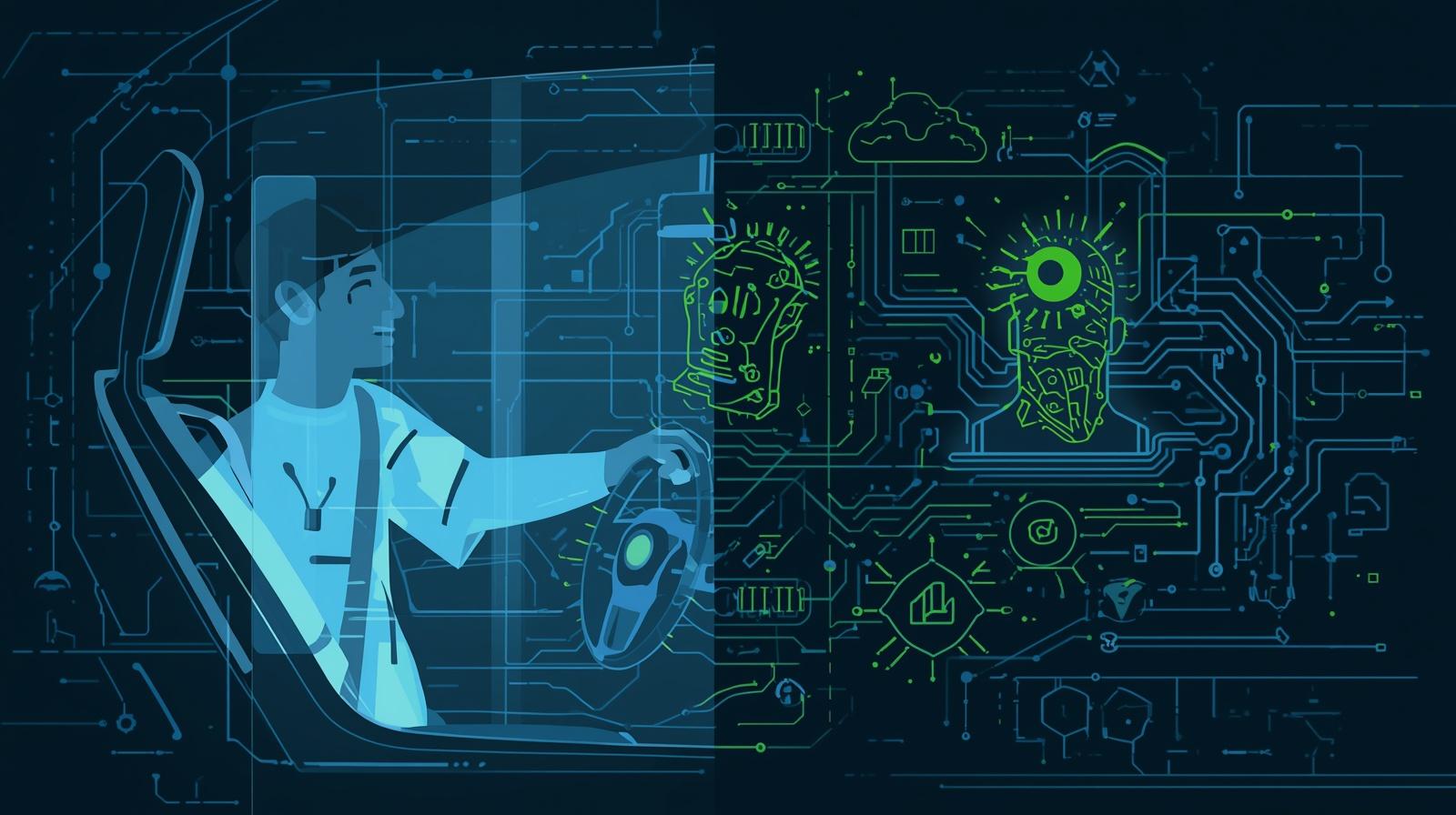
If you have been driving for Uber or Lyft for more than a year, you have probably felt it. You are working more hours, taking more rides, and somehow making less money. The trips that used to pay $18 now pay $14. The hourly rate that used to hit $25 now barely scratches $20.
You are not imagining it. The data confirms it. And the cause is not gas prices or fewer riders. It is the algorithm.
Here is what is actually happening to your pay in 2026, and what you can do about it.
The Take Rate Has Quietly Exploded
Before 2022, Uber's take rate, the percentage of every fare Uber keeps for itself, was around 32 percent. According to recent data analyzed by the National Employment Law Project, Uber's take rate is now around 42 percent. On individual rides, drivers report take rates hitting 65 or 70 percent.
In plain English: the passenger pays $20, Uber keeps $8 to $14 of it, and you get whatever is left after the algorithm decides what your time is worth.
This shift happened because of one specific change Uber rolled out in 2022 called "upfront pricing." Lyft adopted the same model shortly after. Both platforms marketed it as transparency for drivers, the ability to see the trip details before accepting. What it actually was, was the introduction of algorithmic wage-setting.
How the Algorithm Actually Sets Your Pay
Under the old system, your pay was based on a rate card: a fixed amount per mile plus a fixed amount per minute. Predictable. Boring. Hard to manipulate.
Under upfront pricing, the algorithm calculates what it thinks YOU specifically will accept for a given trip. Not based on the work involved, but based on whatever data the platform has about you: your acceptance rate, your cancellation rate, your typical driving hours, your location, possibly even your vehicle and your tipping history.
The Rideshare Drivers United organization ran a controlled experiment in Los Angeles with 7 drivers. All 7 were positioned in the same area at the same time. When they all received pings for the exact same rides, the platform offered different drivers different pay amounts 63 percent of the time.
Same ride. Same distance. Same time. Different pay. The only variable was the driver.
That is algorithmic pay discrimination. The system is figuring out the lowest amount each individual driver will accept and offering exactly that.
"The House Always Wins"
David Weil, a Brandeis University professor who previously ran the Department of Labor's wage and hour division, summarized it bluntly in a Boston Globe interview: "The system is constantly adjusting in order to let the house win."
That phrase captures the core problem. The algorithm is not optimizing for fair pay. It is optimizing for platform profit. Every adjustment, every "personalized" trip offer, every silent pricing tweak is moving money from drivers to the platform.
A Massachusetts study by researcher Andrew Sherman tracked one specific driver across thousands of trips. His pay per active hour dropped 40 cents per hour year over year. His tips fell nearly 18 percent. His total earnings per hour fell 5.2 percent in just a few months despite the state's new minimum wage.
The minimum wage was supposed to be a floor. The algorithm turned it into a ceiling.
Why This Will Keep Getting Worse
Three structural forces guarantee continued pay compression:
First, the platforms have invested heavily in AI infrastructure (Uber's NVIDIA partnership, Lyft's NVIDIA partnership) specifically to make their algorithms smarter at extracting value from each trip.
Second, robotaxis are creating downward pricing pressure (Tesla's $8 average ride in San Francisco) that the platforms will pass directly to drivers.
Third, the platforms have no incentive to stop. Take rates went from 32 to 42 percent without consequence. There is no reason they will not keep climbing.
The Empowering App-Based Workers Act introduced in Congress in July 2025 would force transparency around take rates. It has not passed. Even if it does, transparency alone does not change the math.
What You Can Actually Do About It
Three concrete moves that work in 2026:
First, track everything. You cannot fight algorithmic pay compression if you do not know what your real per-hour and per-mile earnings actually are. Apps like Gridwise, Stride, and Everlance show you the real numbers across platforms.
Second, develop a personal acceptance floor. Decline rides that fall below your minimum per-mile rate. Most drivers find $1.20 to $1.50 per mile is the breakeven point in 2026. Anything below that, the algorithm is testing how low you will go. Refuse to be the answer.
Third, and this is the only real defense, build income outside the apps. The algorithm cannot adjust what your direct clients pay you. A regular airport client paying you $60 cash for a trip you would have made $22 from on Uber is income the algorithm cannot touch.
This is where the smart drivers in 2026 are putting their energy. Hotel concierge contacts. Corporate clients. Repeat passengers booking directly. Wedding and event transportation. Anything that gives you income the platforms cannot algorithmically squeeze.
Tools built specifically for this gap are starting to fill it. Platforms like RideShareGuides.com offer free digital business cards and driver IDs designed specifically for US rideshare drivers building a direct client base alongside their app work. The drivers using these tools are the ones quietly insulating themselves from pay compression while everyone else gets squeezed.
The algorithm is not your friend. It is not neutral. It is a system specifically engineered to find the lowest amount you will accept and offer you exactly that.
Knowing this is the first step. The second step is building a business the algorithm cannot reach.
Drive smart, track your numbers, set your floor, and build the part of your work that pays you what your time is actually worth.
Comments
Sign in to join the conversation
Sign In