2026 Driving Laws & Tech Changes Every Driver Must Know
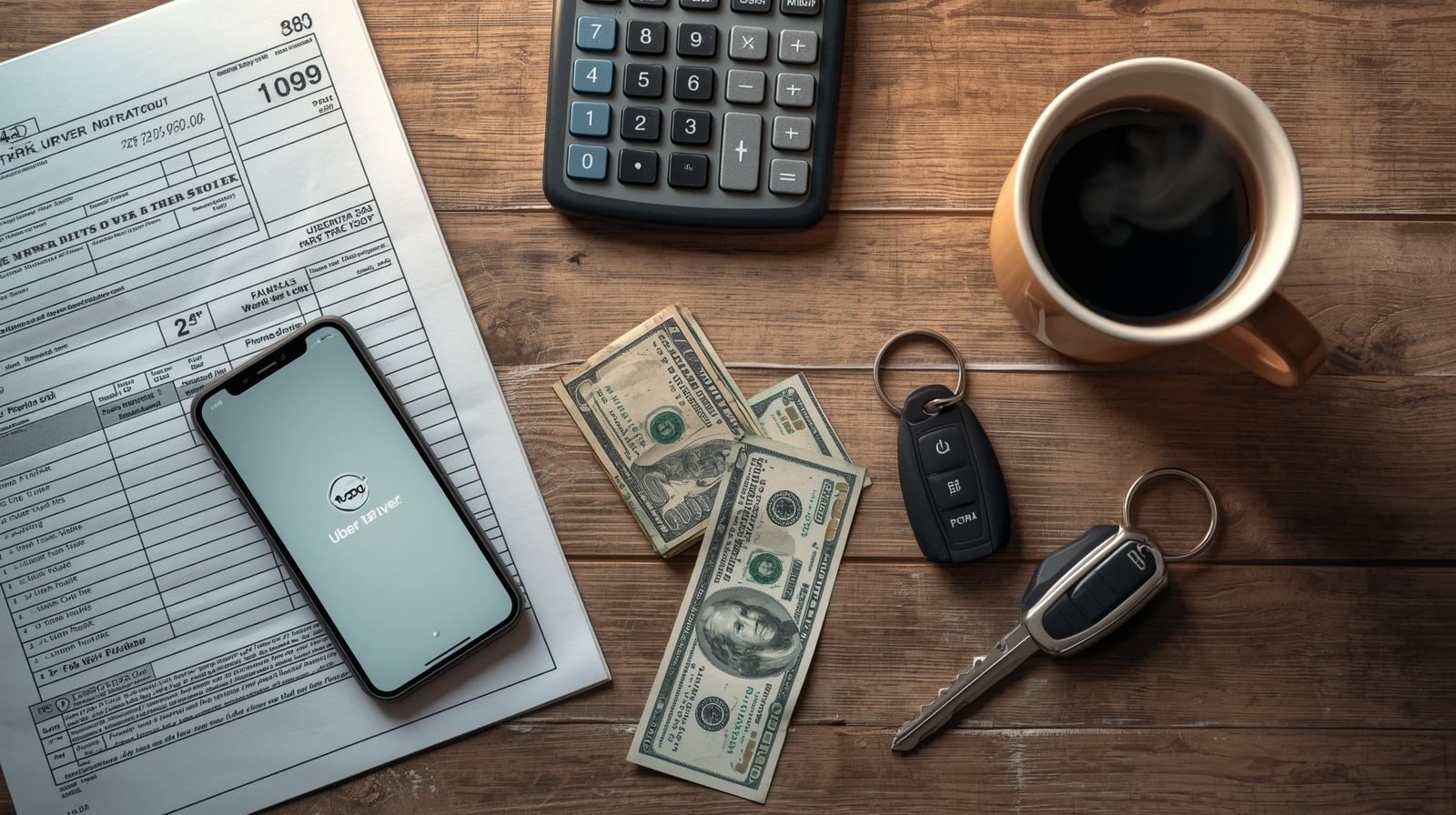
The road has changed. Whether you drive a decades-old diesel or a brand-new EV, 2026 brings a wave of rules, technologies, and habits that affect every single journey. From zero-tolerance phone bans to AI co-pilot dashboards and green driving scores — here's the fast-lane breakdown.
Why This Matters Right Now
Lawmakers and transport agencies have spent years responding to rising accident rates, distracted driving, and the rapid evolution of vehicle technology. The result? A new set of traffic rules and car features rolling out right now — and most drivers have no idea they're coming.
1. Hands-Free Is Now the Law — No More Warnings
One of the biggest changes of 2026 is a nationwide crackdown on handheld device use while driving. Grace periods are over. Holding your phone — even at a red light — can result in an immediate fine. In some states, repeat offenses or violations that cause accidents can cost you over $1,000.
What to do: Mount your device, set up voice commands, and rely on your car's built-in navigation. For anyone shopping for a new car, hands-free tech is no longer optional — it's essential.
2. Your Car May Now Drive Itself (A Little)
Advanced Driver Assistance Systems (ADAS) are becoming standard on 2026 models. We're talking lane-keeping assist, adaptive cruise control, automatic emergency braking, and AI co-pilots that monitor your attention behind the wheel.
These features are designed to reduce accidents — but they can catch you off guard if you don't know how they work. Spend time in your car's settings before hitting the motorway.
3. Electric Vehicles Just Passed a Tipping Point
EV adoption is accelerating fast. In states like Washington, 35% of all new passenger vehicle sales must now be zero-emission vehicles. And the technology has genuinely caught up — 2026 models from brands like Toyota and Nissan offer longer ranges, faster charging, and solid-state battery options that outperform anything from three years ago.
Charging infrastructure is expanding in cities and along major highways. If you're buying in 2026, now is a smarter time than ever to consider the switch.
4. "Green Driving" Is Now Part of Driver Education
New driving curriculums in several states now include green driving habits — smooth acceleration, understanding regenerative braking, and maximizing fuel or battery efficiency. This isn't just for EV drivers. Insurance companies are increasingly using telematics (data from your driving behaviour) to adjust your premiums. Drive smoother, pay less.
5. Your Car Is Getting Software Updates While You Sleep
Just like your smartphone, 2026 vehicles from most major manufacturers can receive over-the-air (OTA) software updates remotely. New safety features, bug fixes, speed-limit calibrations, and even new driving modes can be pushed to your car without a dealership visit.
Check your vehicle's update history in the settings menu — you may already have features you didn't know about.
Key Numbers to Know
35% — target share of new car sales that must be electric (Washington state, 2026)
$1,000+ — maximum fine for repeat phone-while-driving violations in some states
3% — targeted reduction in pedestrian road fatalities set for 2026
2026 is not the year to be a passive driver. The rules are stricter, the technology is smarter, and the road is evolving faster than most people realise. Stay informed, update your habits, and get comfortable with your car's new features before they surprise you at 100 km/h.
Comments
Sign in to join the conversation
Sign In